
Program
I'm coming back from surgery.
Return after surgery is earned by criteria. ATP works inside your surgeon's protocol, protects the repair, and measures what a protocol cannot: strength side to side on force plates, landing and cutting quality, arm capacity, balance and control under fatigue, and the confidence to go full speed again. Outside the first weeks, pain after surgery is not normal, and ATP treats it rather than waiting it out. Jake Walkinshaw was back in NCAA competition 11.5 months after UCL reconstruction. ACL, UCL, shoulder, hip, knee.
By Josh Heenan. Reviewed by Kevin Murat, DC, ATC. Updated .
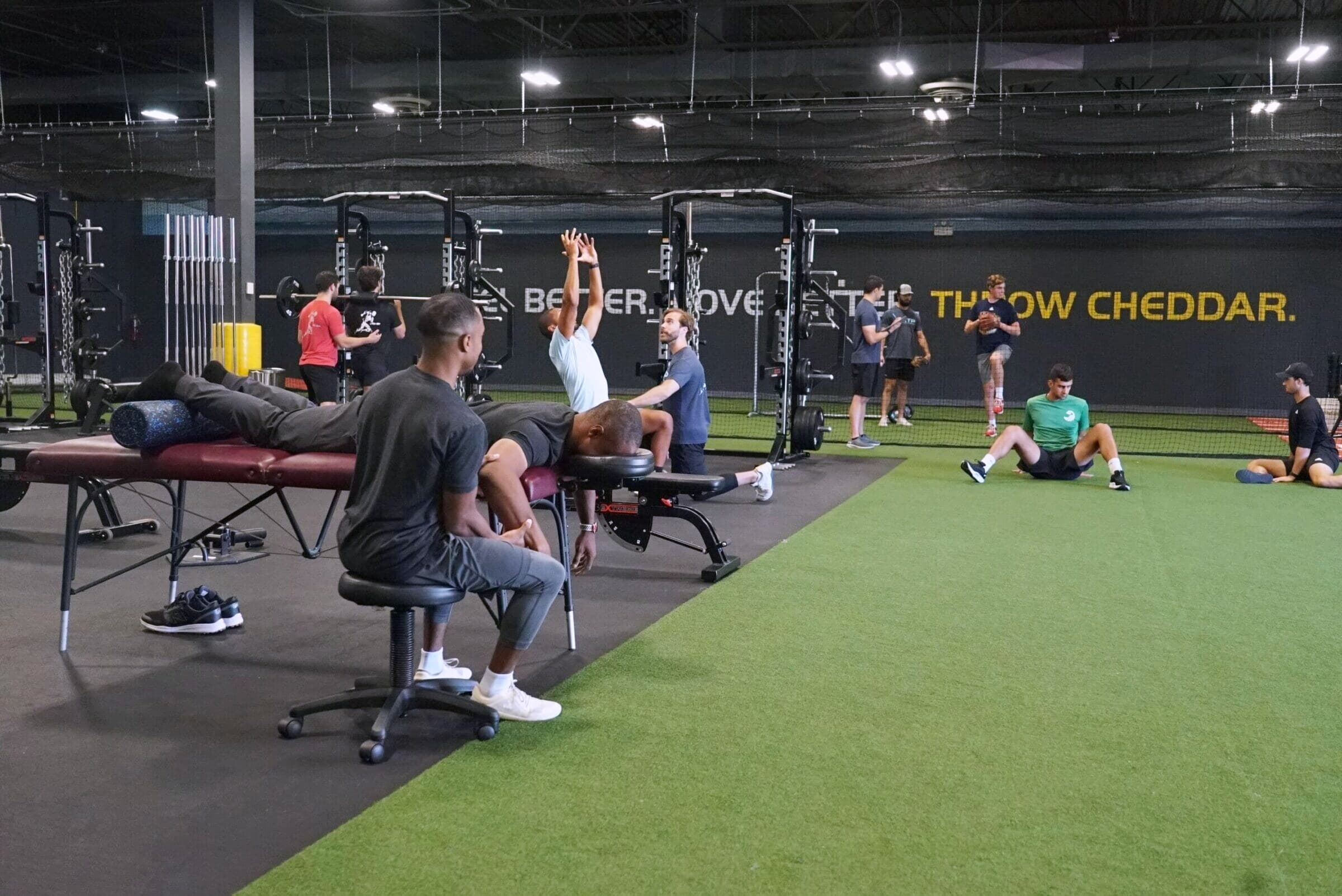
From Josh Heenan's Instagram
Watch: the same test on two pitchers, one with old concussions and one without.
The top athlete had multiple concussions years before his UCL reconstruction, and his rehab kept hiccupping: lat pulls, shoulder pain, elbow pain. Everyone had treated the arm.
Cue both to look straight ahead. One pair of eyes holds. The other cannot. The concussions were treated, and the arm cleared. The brain went through the surgery too.
Watch on InstagramInside the surgeon's protocol
Graft healing has its own timetable and nothing ATP does changes it. Every phase of the ATP plan sits inside the surgeon's protocol, the surgeon's clearance governs when running, throwing or cutting starts, and ATP keeps the surgeon and any outside therapist in the loop. The first job after surgery is to protect the repair: the UCL returns that go badly are the ones that lose full extension and flexion early or load the ligament before it is biologically ready. ATP is aggressive with everything else and patient with the repair.
Pain a year out is not normal
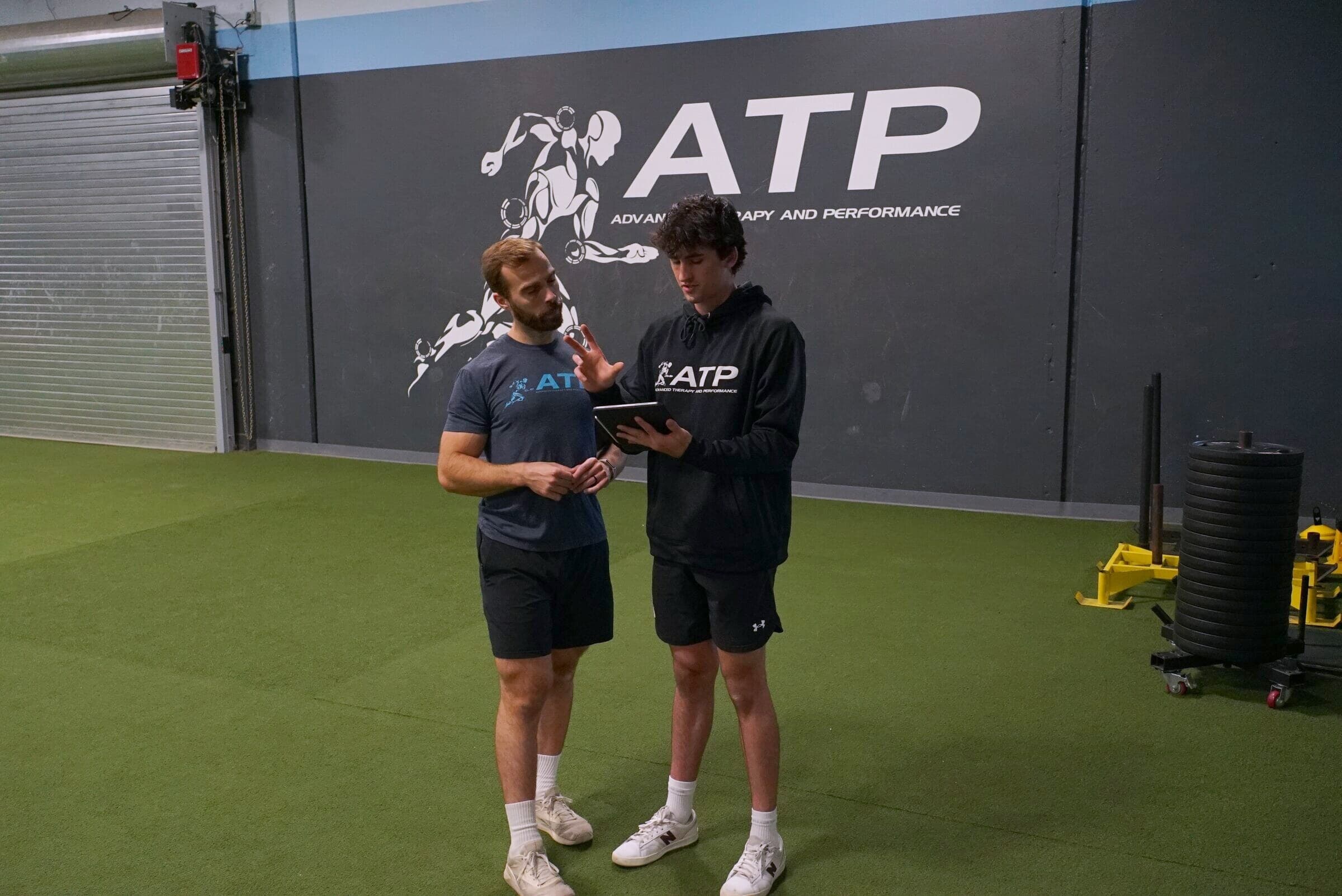
Athletes from youth to pro describe significant elbow pain one and two years after UCL surgery, and treat it as the price of the operation. Outside the acute phase that pain should have faded early. When it lingers, the usual reasons are fascial restrictions around the elbow and up the chain that nobody addressed, and the scar itself. A surgical scar is collagen. It closes the hole but does not carry signal the way living skin does, and an untreated scar keeps changing how the arm moves long after the surgery healed. Treating the scar and the restrictions directly is often where lingering post-op pain finally moves.
A left-hander ten months out from UCL surgery had a six-out-of-ten pain on active external rotation. After the elbow and the chain behind it were treated it sat at one out of ten, and he threw the next morning without the back of the shoulder hurting.
When the rehab keeps hiccupping
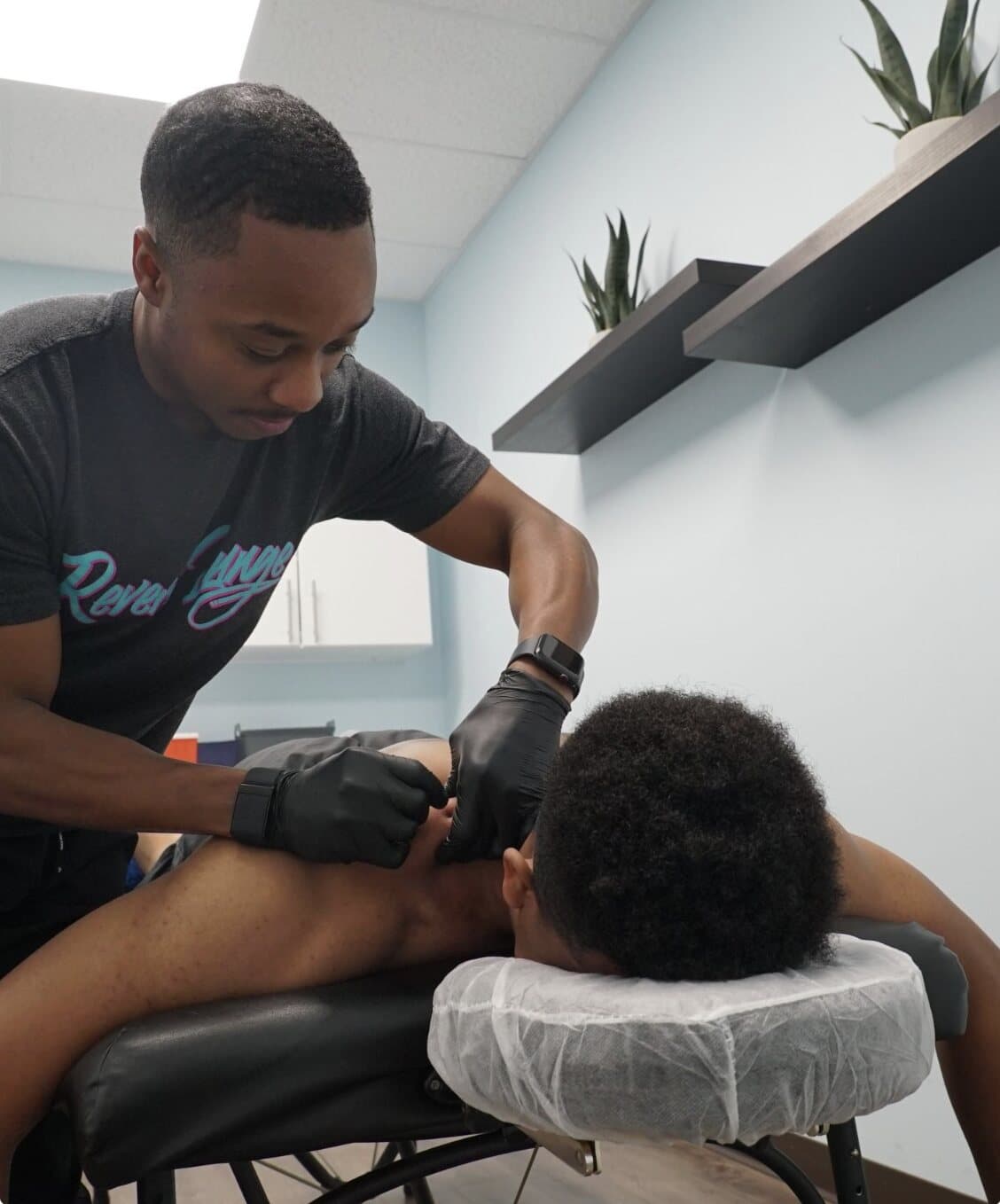
A Division I commit came in with continual hiccups in his post-op UCL rehab: lat pulls, shoulder pain, elbow pain. He had also had multiple concussions years before the arm. Everyone had treated the arm. The concussions had never been treated, and once the nervous system was, the arm cleared. ATP screens eye tracking, balance and the neck in post-op cases for exactly this reason. The brain went through the surgery too.
What a calendar cannot measure
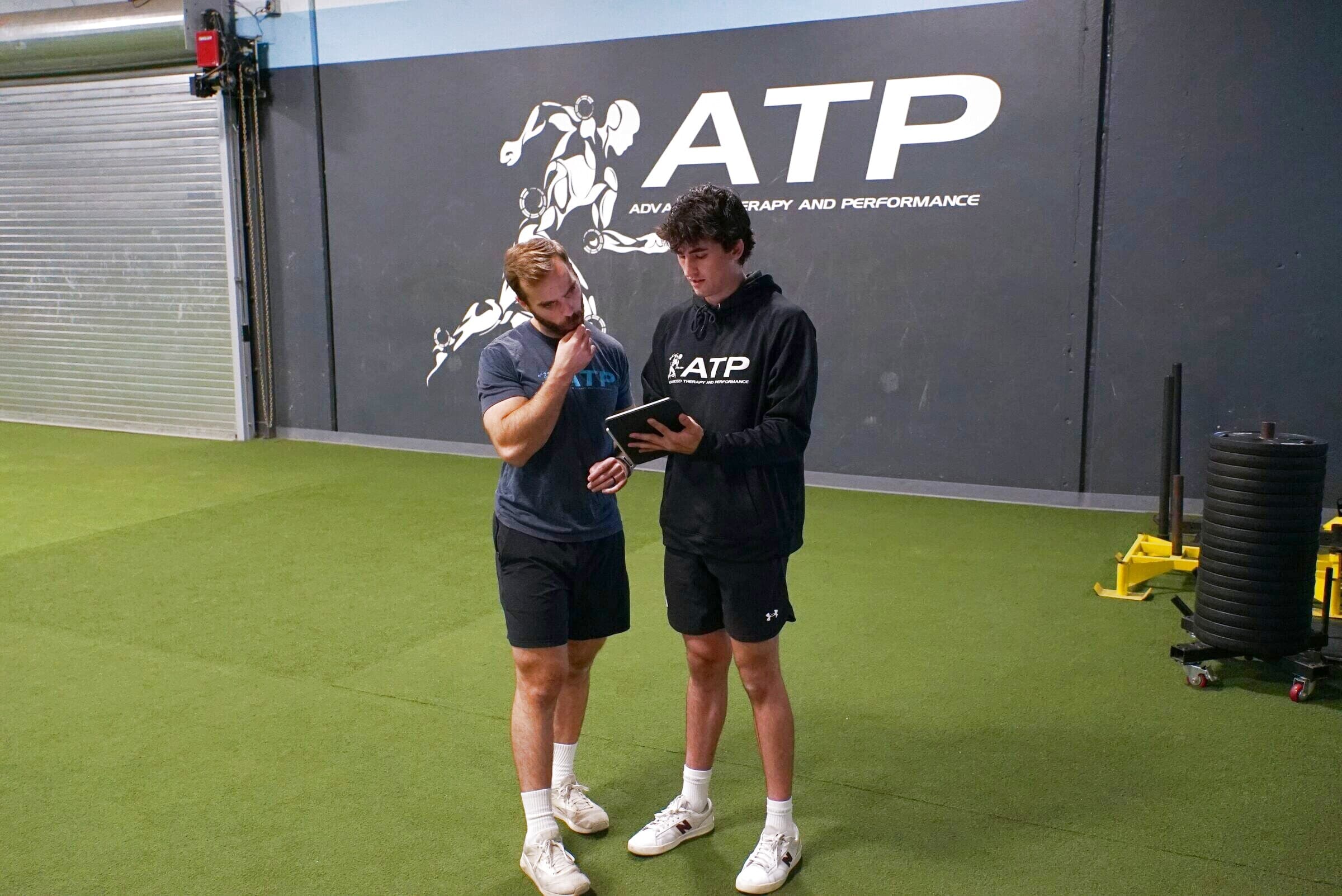
Side-to-side strength on force plates, the quality of a landing and a cut on video, arm strength and range of motion for a thrower, and how all of it holds up when tired. Athletes get cleared on the calendar with a repaired side still well behind the other one. That is where re-injury lives, and it is measured here before anyone goes full speed.
The rest of the body
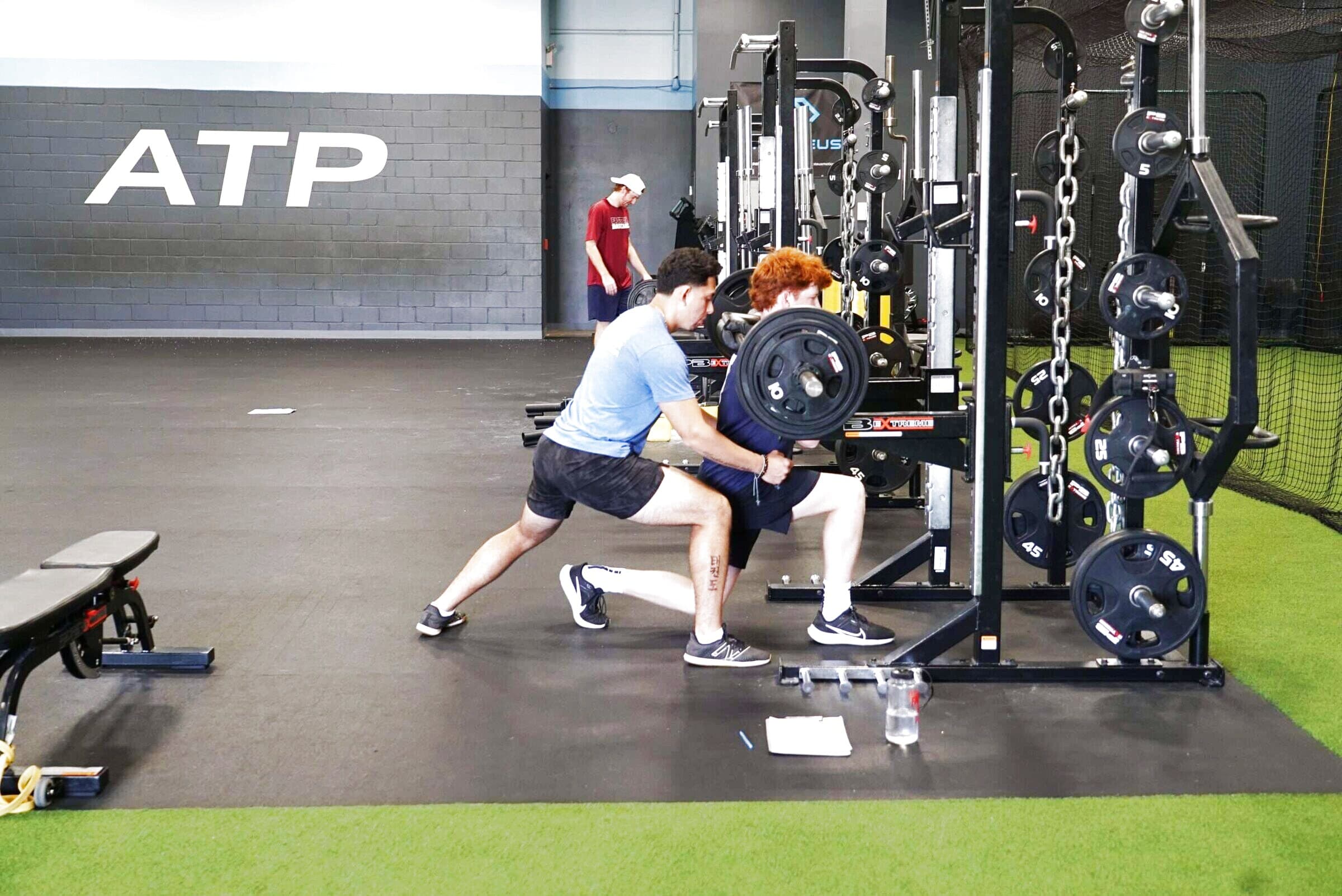
A year of protecting one joint costs strength everywhere else. The return is the best chance many athletes get to rebuild the engine, and the plan treats it that way: whatever the protocol does not restrict is trained from the first week, so the athlete comes back stronger than before the injury rather than only healed.
Confidence is trained
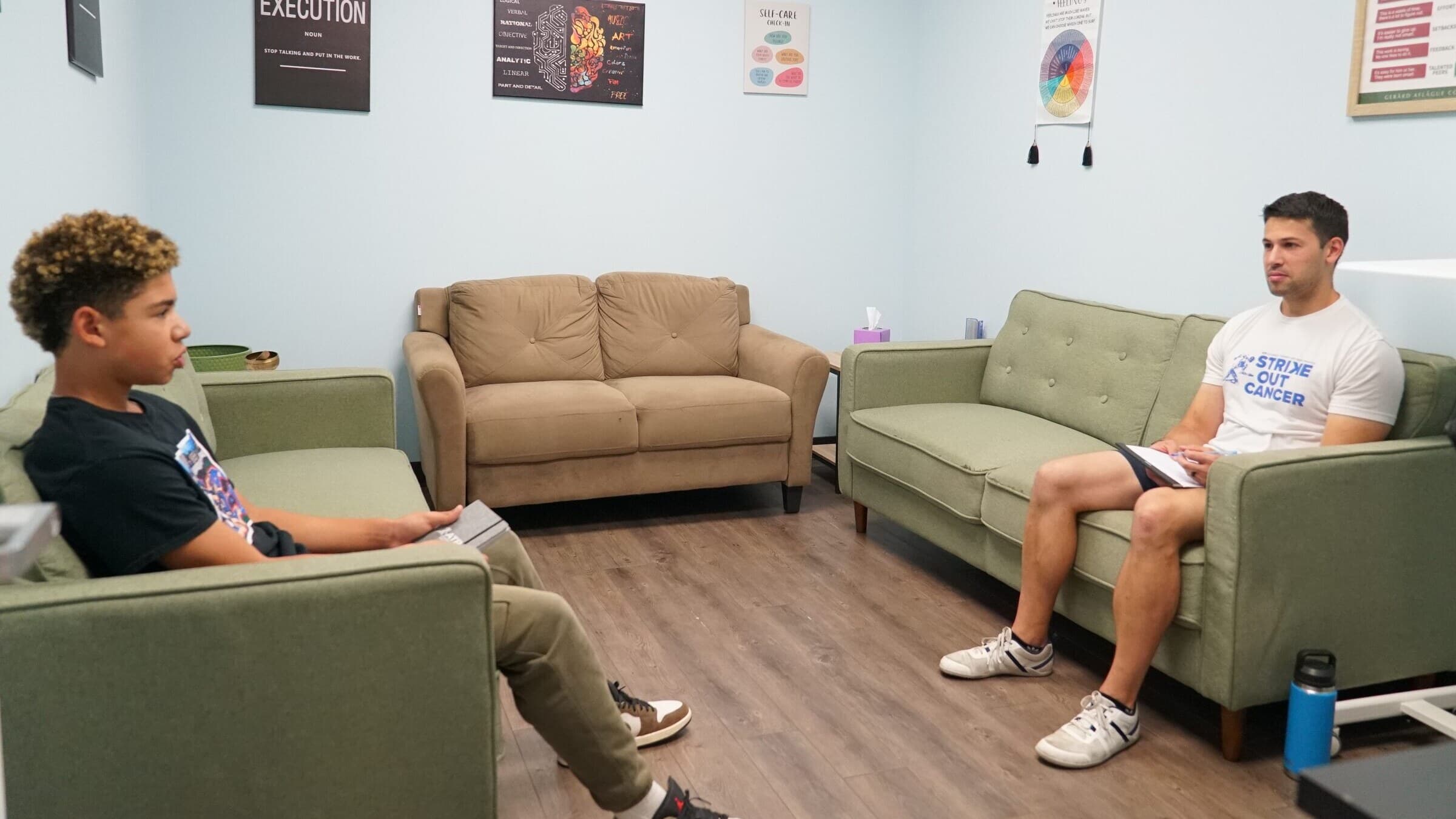
Trusting a knee or an arm again is a skill. It is trained the way a delivery or a cut is trained, in small steps with feedback, and the mental performance coach is part of the same plan when fear is the thing holding the athlete back.
We measure what matters.
Each measurement earns its place by changing a decision about you. Nothing is run for the sake of a number.
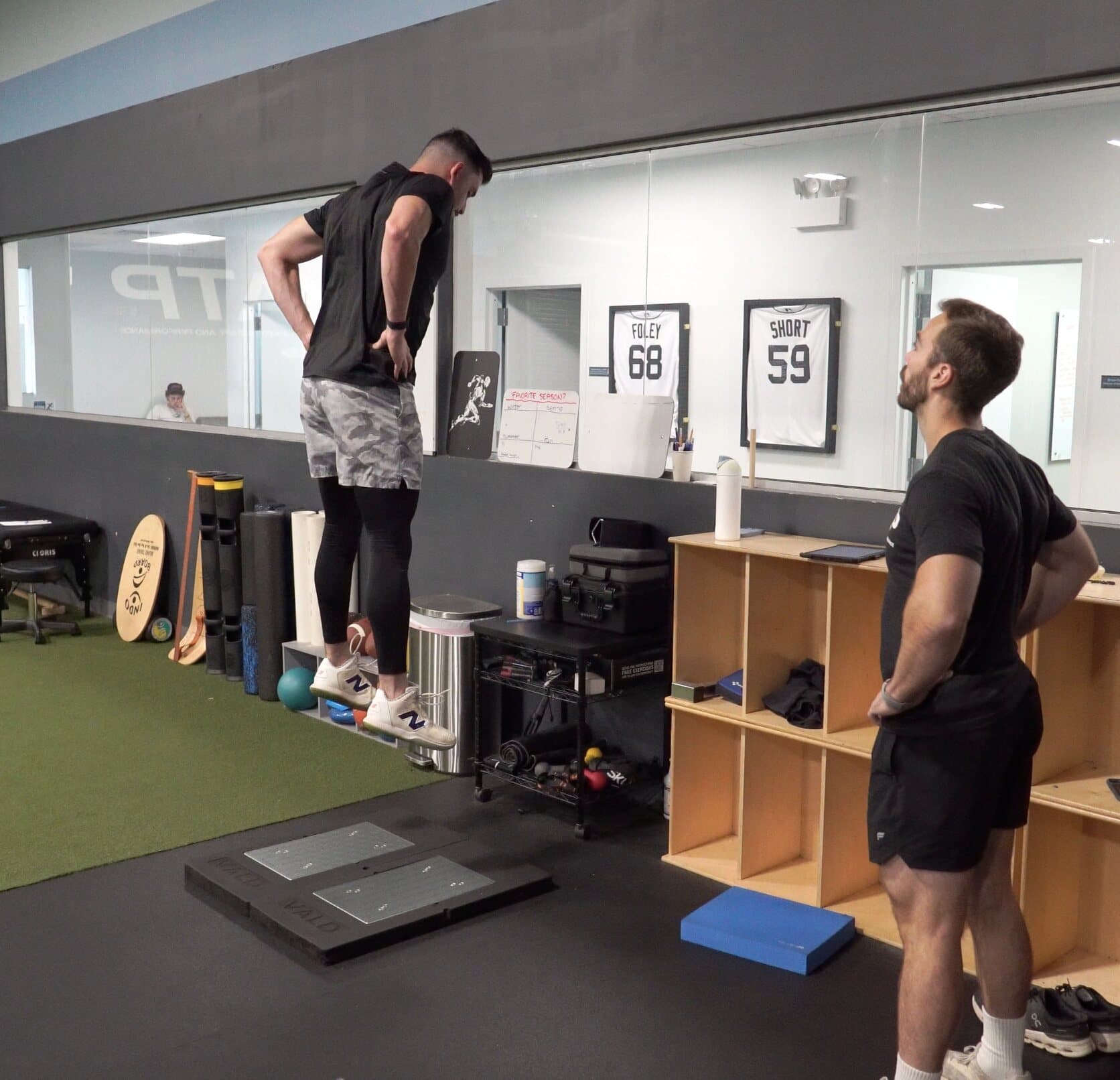
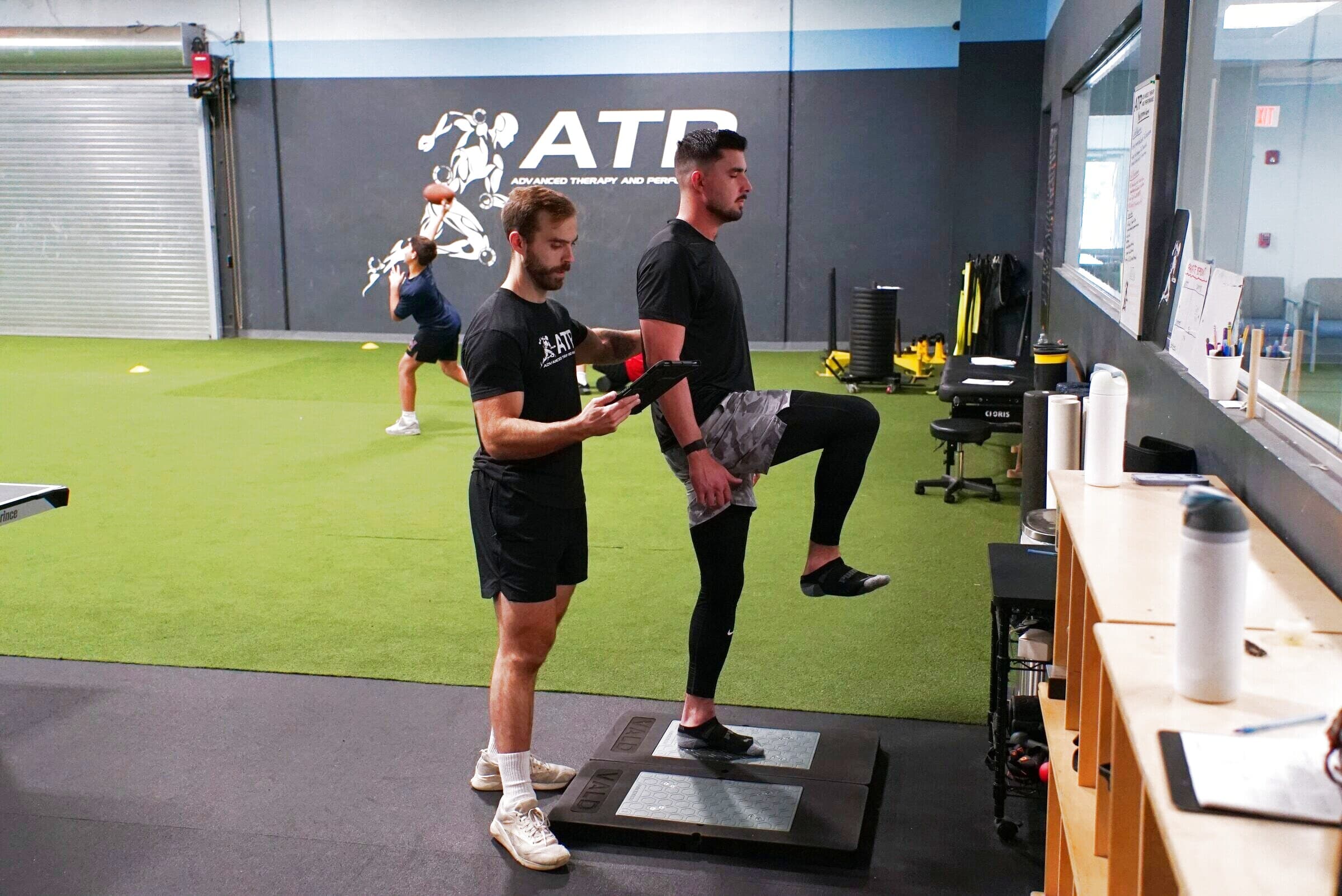
VALD force plates & dynamometryForce, asymmetry, jump and strength metrics Decides Whether strength is there, whether it is symmetrical, and whether it is being expressed as power.
Movement assessmentMovement patterns, restrictions and compensation Decides Whether a painful region is the source or the site that keeps paying for a restriction elsewhere.
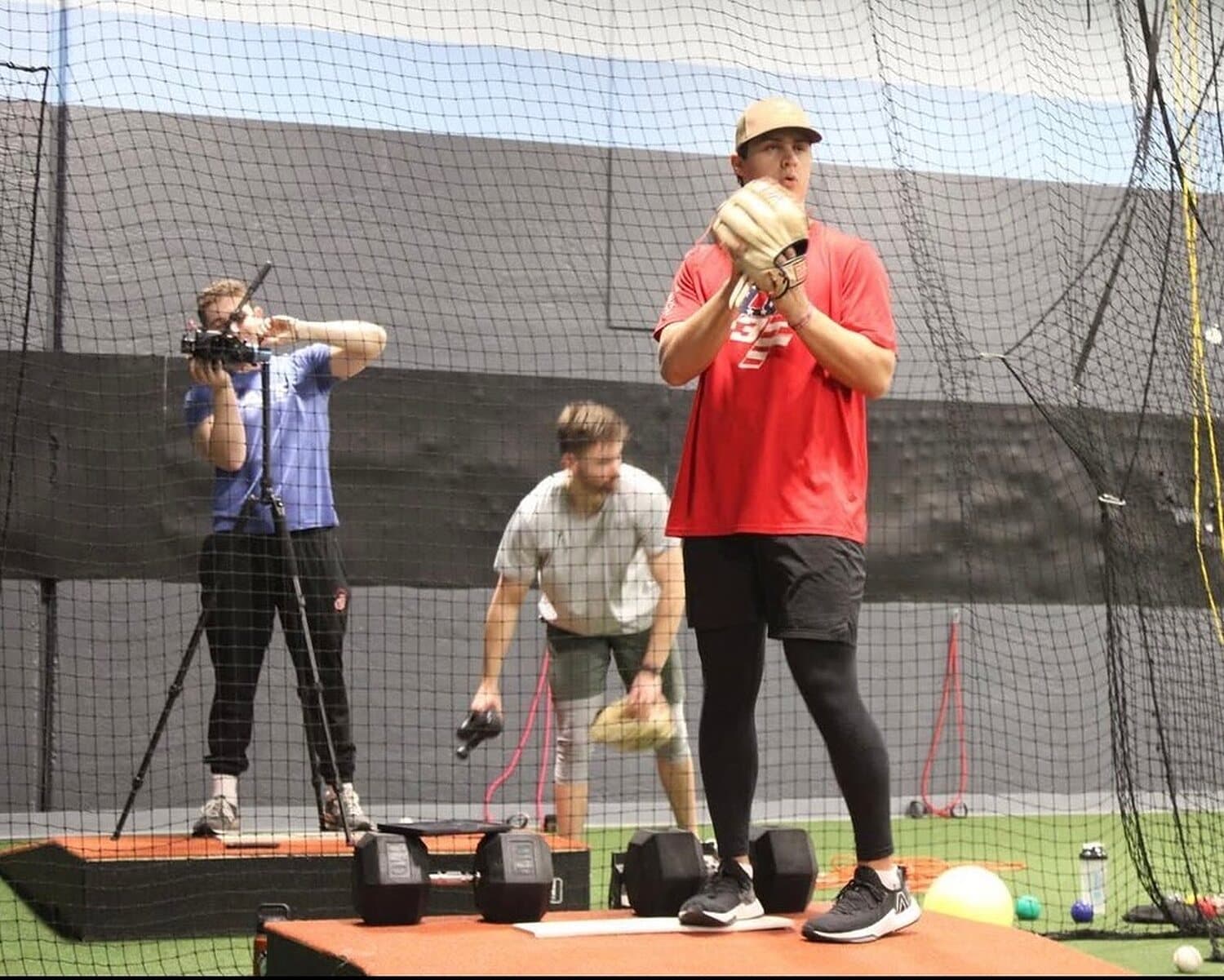
Video analysisThrowing, hitting and movement mechanics frame by frame Decides Where in the sequence force is transferred well, and where it is leaking.
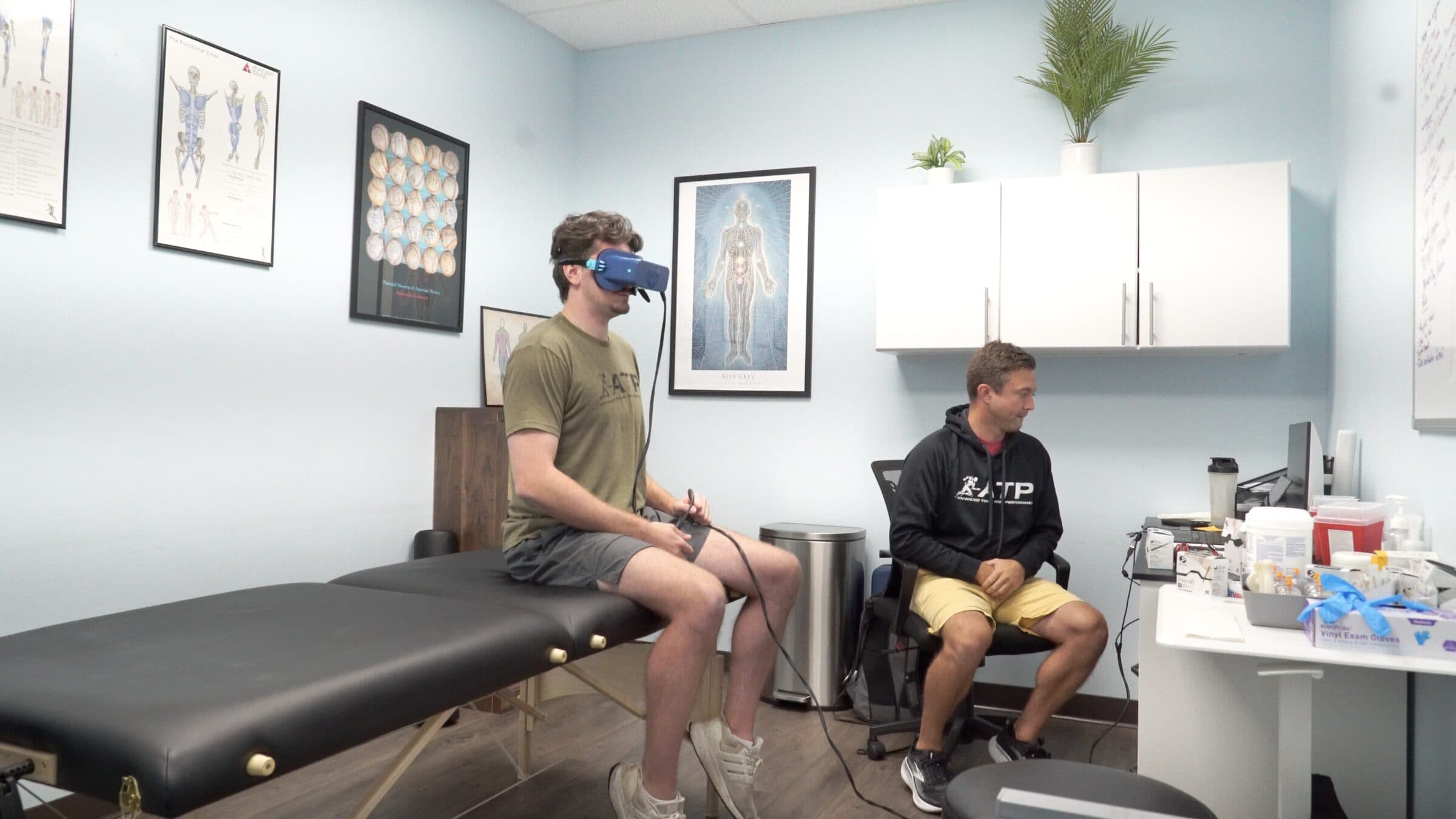
VNG / VOGEye movement, gaze stability and vestibular function Decides Whether visual or vestibular function is influencing balance, coordination, symptoms, or movement organization.
How the return runs here.
Evaluate, decide, act, retest. Adapt feeds back into Evaluate.
Every phase sits inside the surgeon's protocol, and the surgeon's clearance governs the milestones.
Pain is treated rather than waited out: the scar, the restrictions and the nervous system.
Side-to-side numbers on force plates and cutting or throwing on video decide the next step.
Whatever the protocol does not restrict is trained from the first week.
Questions people ask.
No. Outside the first weeks, pain after surgery is a problem to find, and it is usually a restriction, a scar or a nervous system that never got addressed. Bring the surgical report and the protocol.
Clearance says the repair has healed. It does not say the repaired side can produce and absorb what the other side can, or that a cut or a delivery looks the way it should under fatigue. Testing answers that, and it is what decides whether the first full-speed day goes well.
Yes. The parts of the body the protocol does not restrict are trained from the first visit, and the restricted part is treated within the protocol. Some athletes are seen within days of surgery for pain and swelling. Bring the protocol and the surgeon's notes.
Yes. ATP sends the measurements, coordinates the plan with them, and hands the athlete into training when the therapy is done.
UCL reconstruction and repair in throwers, ACL, labrum and rotator cuff, hip and knee, and hand and wrist surgeries in hitters. Jake Walkinshaw's return from UCL reconstruction is on the results page with its sources.
ATP is out of network. You pay ATP, and as a courtesy we submit the claim to your primary insurance, which reimburses you directly. Verify your out-of-network benefits first; the insurance page explains how.
Find what's limiting you.
Three minutes of questions, then a preview of where ATP would start. Not a diagnosis.