
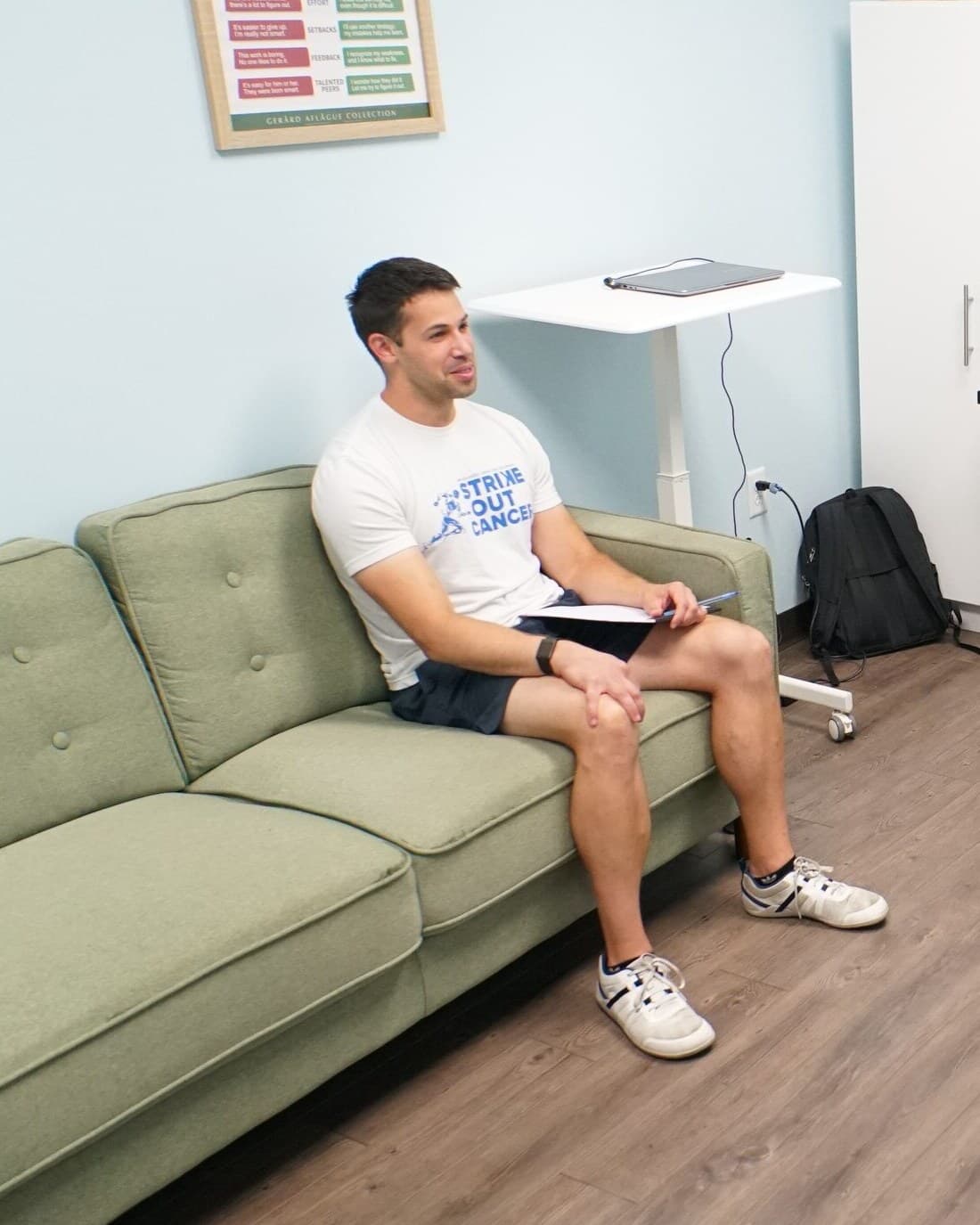
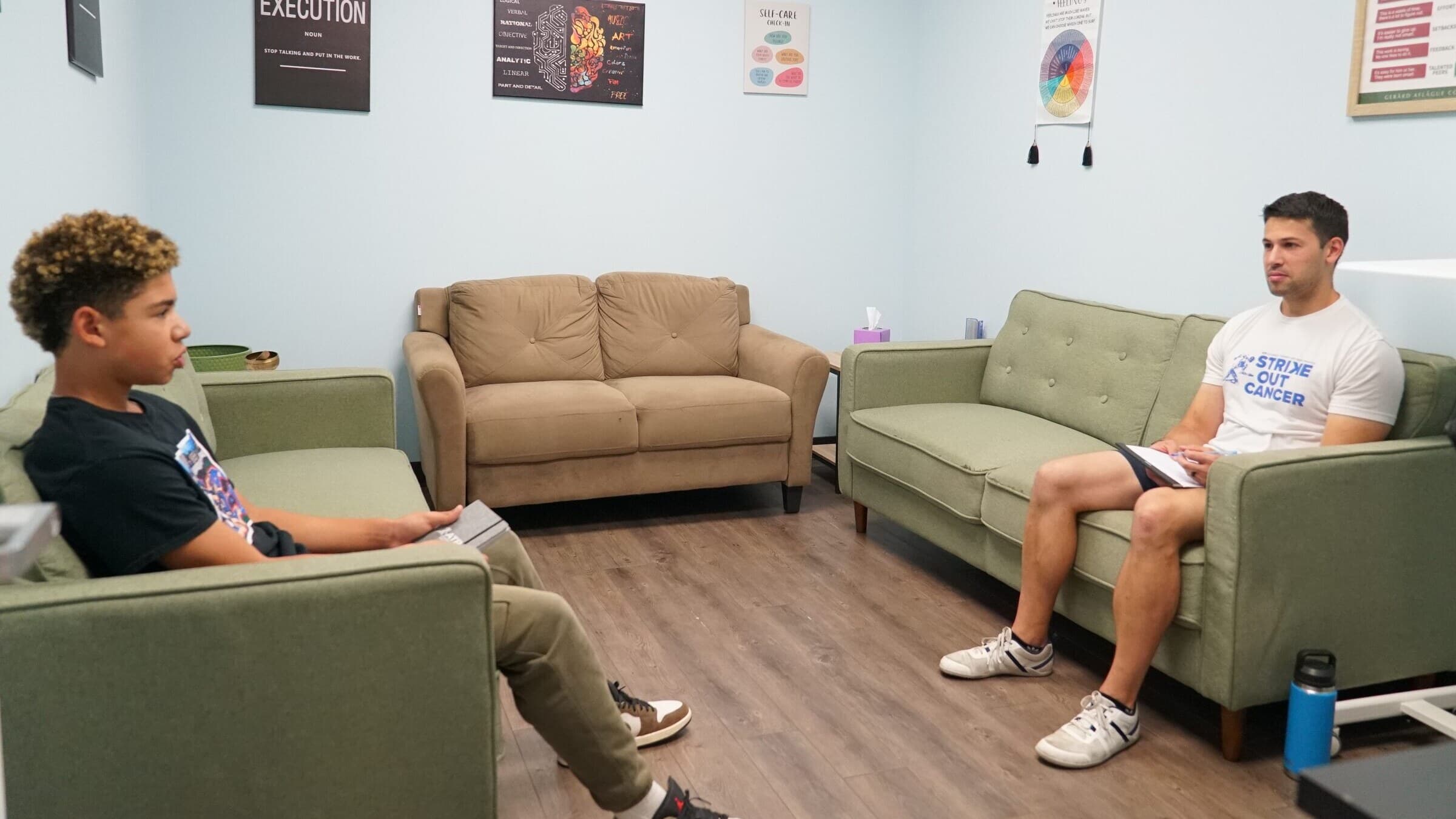
Mental performance coaching for athletes, in Stamford, CT or remotely.
Compete the way you practice.
Confidence, focus, routines and pressure response are trained the way physical skills are trained. Sleep, fatigue and vision are checked, because they change what shows up under pressure.
For athletes in any sport, youth to pro, in person or remote.
Therapy, training and mental performance in one place.
What changes when it counts?
Pick the one closest to what happens to you.
Practice is fine. Games are not.
Cage numbers, bullpen numbers, range numbers that do not travel.
Start here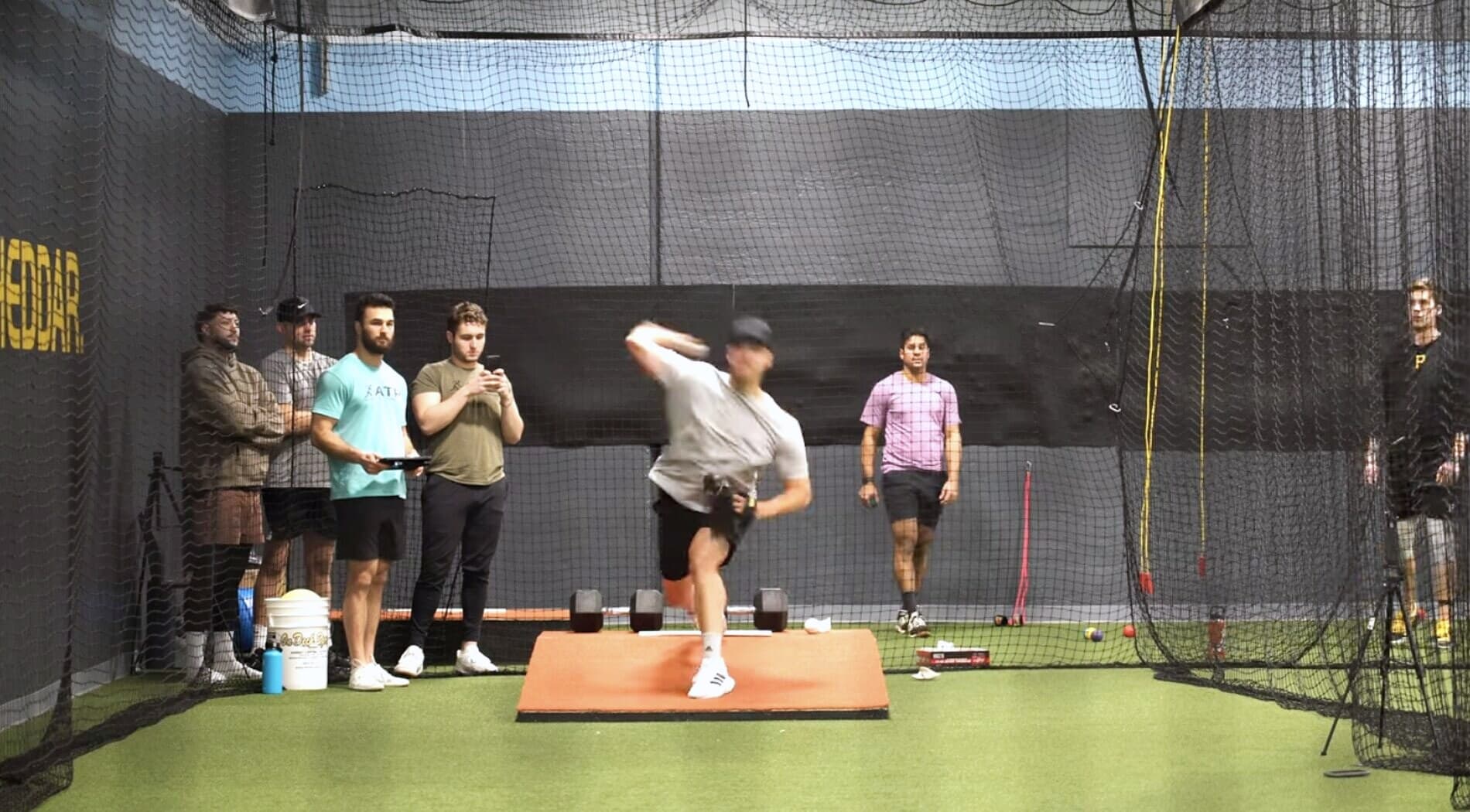
One mistake becomes five.
The error, then the inning, then the week.
Start here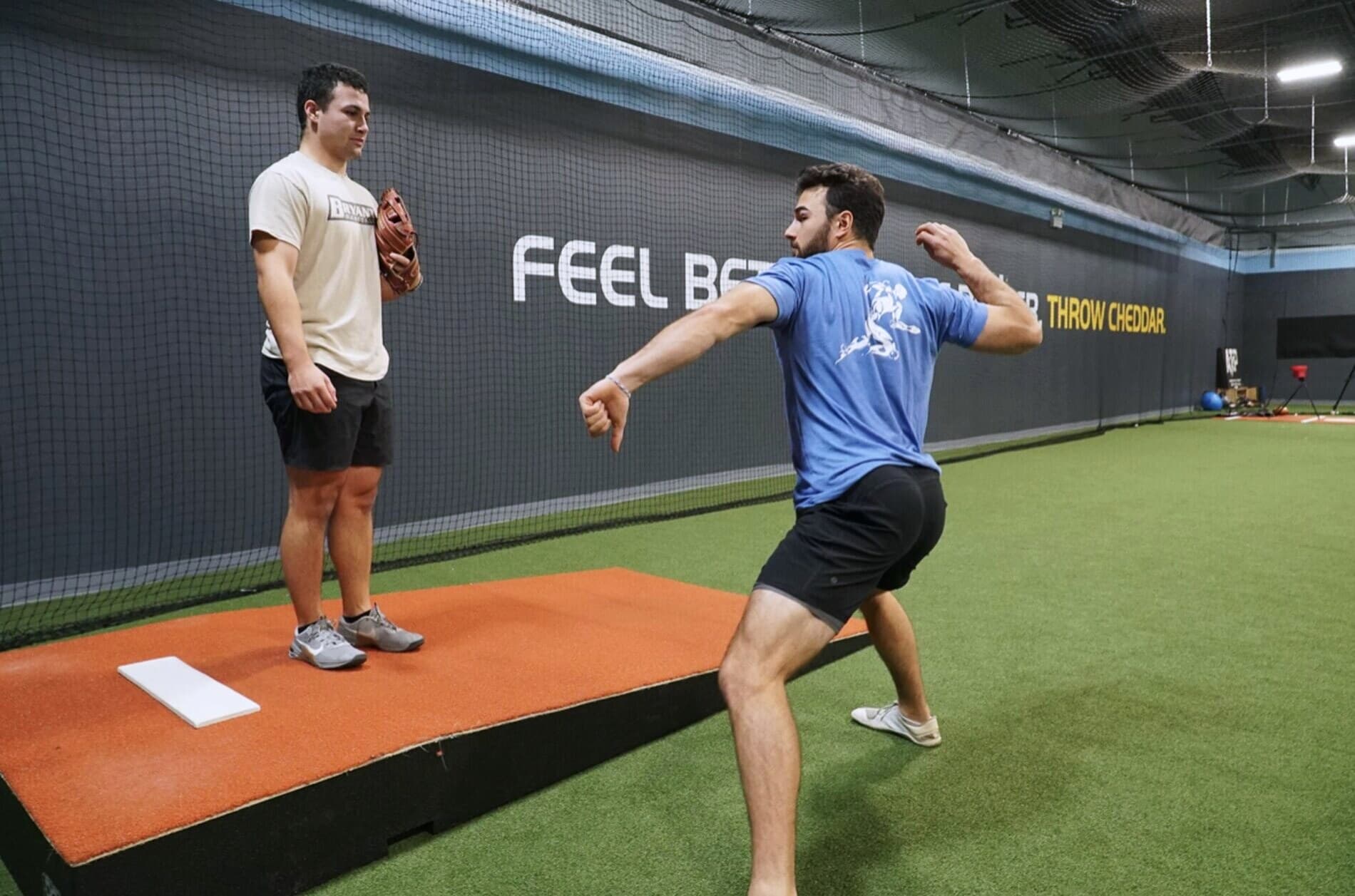
I get tight when it matters.
Big moments, first pitch, last hole.
Start here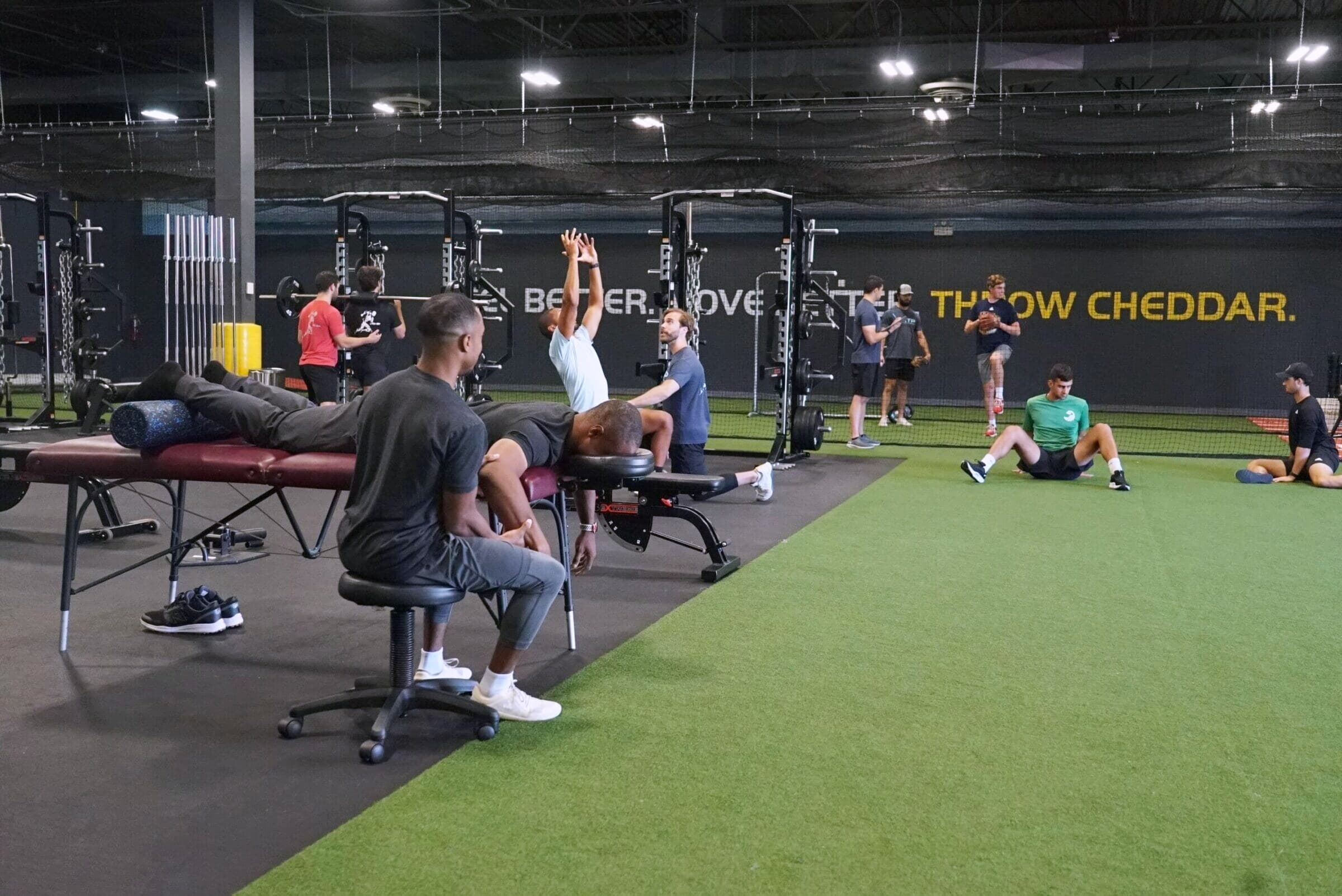
I'm cleared, but I don't trust it yet.
Confidence after injury or surgery.
Start here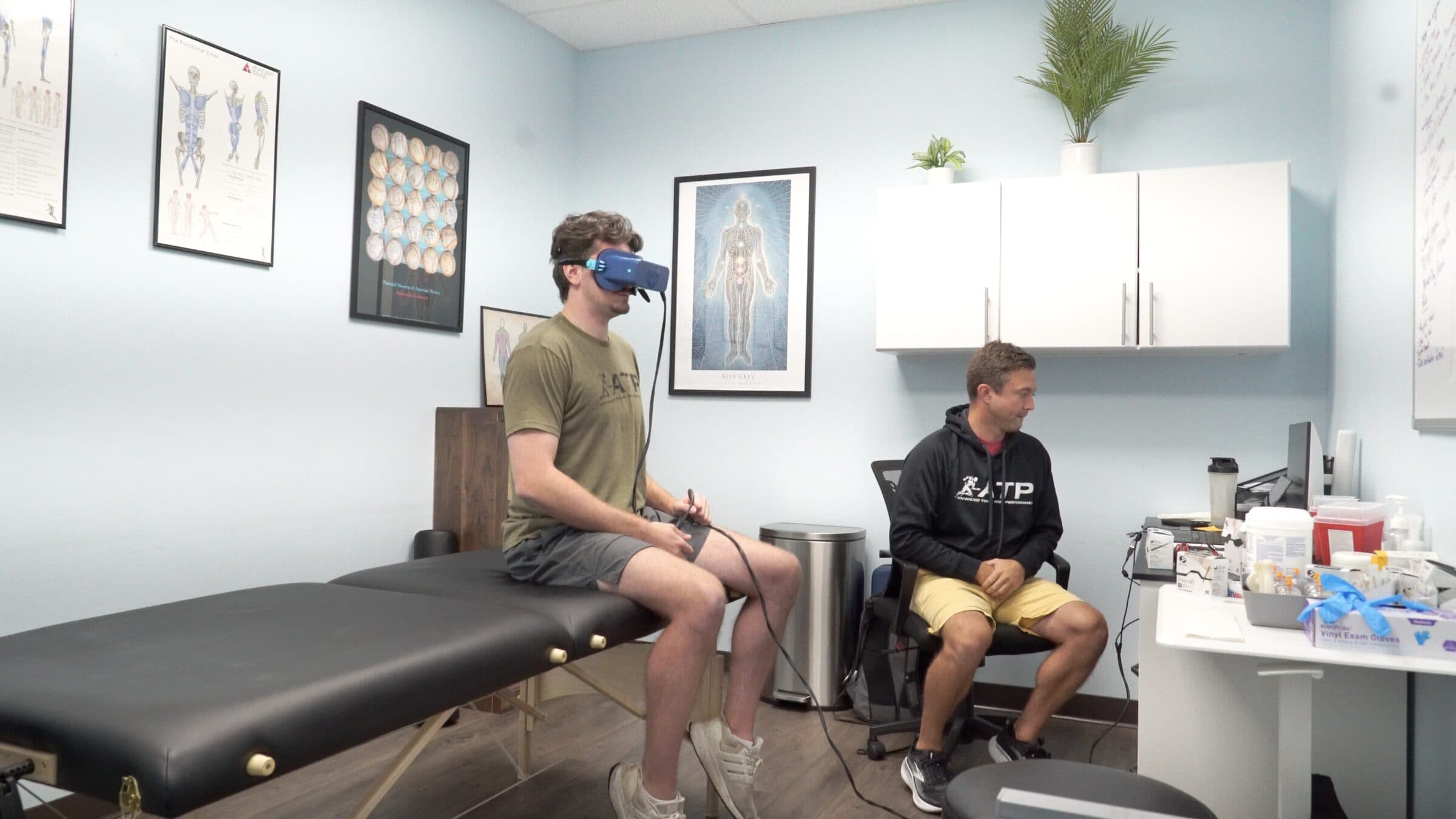
I'm not sure this is mental.
Sleep, fatigue and vision change what shows up under pressure. We check.
Start here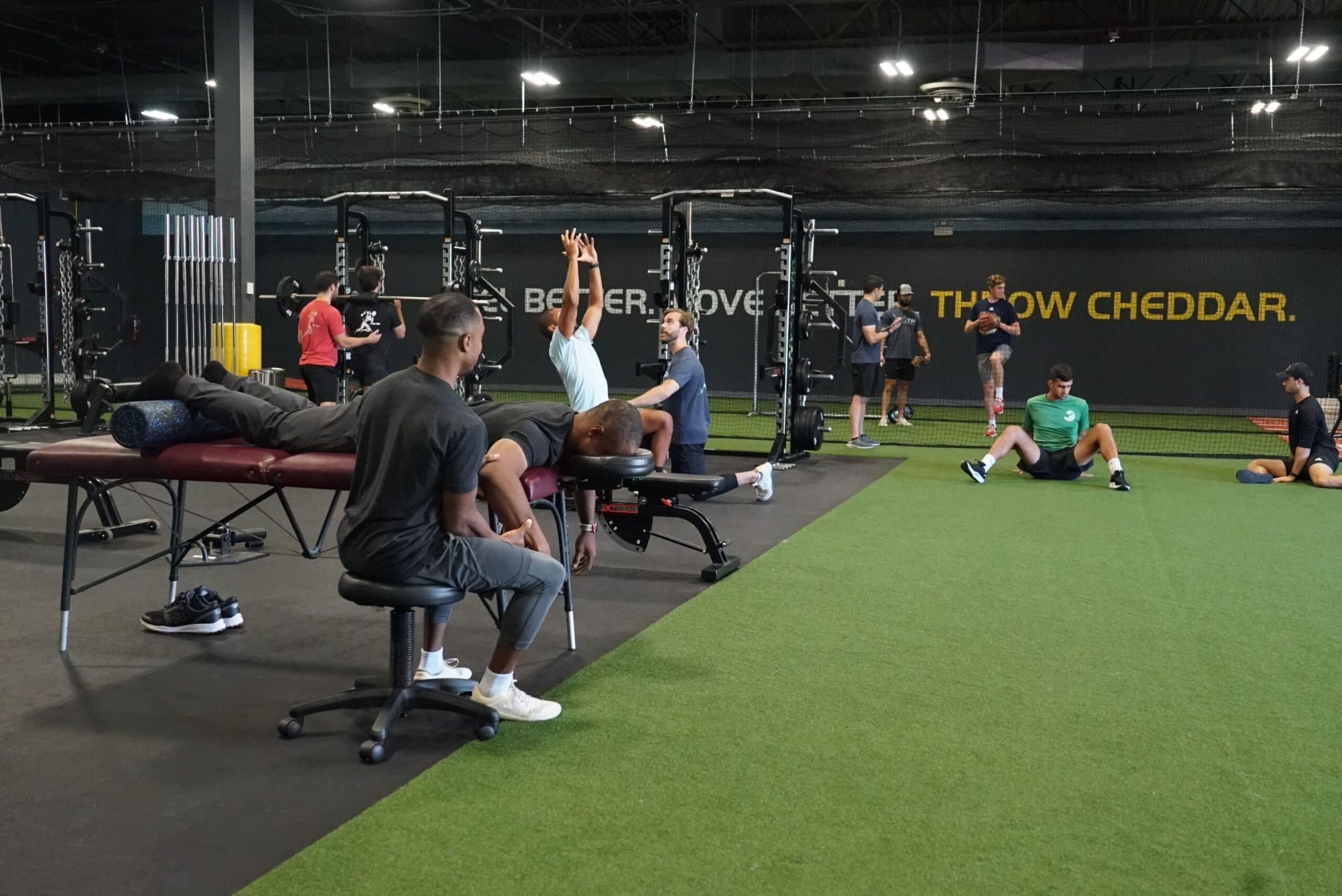
I can't make a throw I've made a thousand times.
The yips. A nervous-system and motor problem as much as a mental one. We test both.
See how ATP handles it
What ATP looks at when practice does not transfer.
What changes between practice and competition, and what makes it harder to regulate: recovery and the sensory systems that organize movement.
Same problem.
Different limitation.
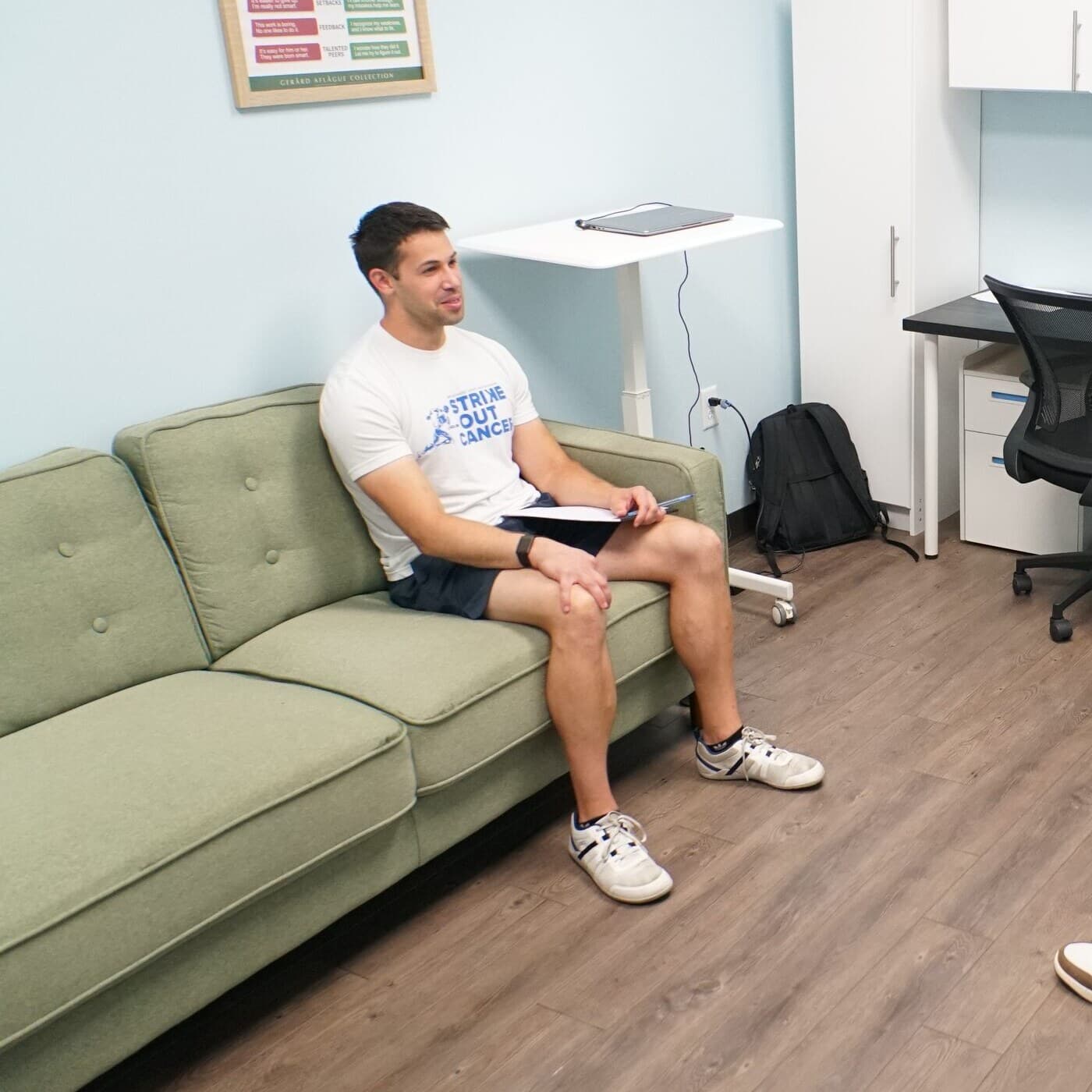
Three athletes say “I'm fine in practice.”
I'm fine in practice
What mattered
Findings
- Attention turns inward after the first miss
- No routine between pitches
We start with
Mental & Behavioral Performance
A two-cue pre-pitch routine, practised in bullpens before it is used in games
Illustrative composite drawn from patterns ATP sees.
How mental performance works here.
Evaluate, decide, act, retest. Adapt feeds back into Evaluate.
Routines and mistake-response protocols are rehearsed in training until they hold in games.
Sleep, fatigue and a visual screen are part of the evaluation, because they set the margin for regulation.
Coaches and parents are involved without taking the athlete's voice away.
For the yips, we test vision, balance and the throw itself before anyone talks about relaxing.
We measure what matters.
Two tools. One tracks whether the body has the margin to regulate. One tracks whether the gap is closing.
VNG / VOGEye movement, gaze stability and vestibular function Decides Whether visual or vestibular function is influencing balance, coordination, symptoms, or movement organization.
- Data · Practice vs game trend
Practice vs game trackingThe same numbers in practice and in competition, side by side Decides Whether the gap is real, how big it is, and whether the routine is closing it.
In athletes' words.
Constant arm discomfort to healthy baseball, with therapy, training and mental performance in one place.
“Prior to starting I would have constant arm discomfort and lingering issues that I felt would never resolve. Not only is it a facility where you get the absolute best training and guidance from Brian and the rest of the staff, but there are numerous resources…” Read more
at the facility. The treatment with Kevin and Taylor and mental performance with Matt are two areas that tremendously helped me take the next step in my athletic career.”
Dennis Gamester
Catcher, San Jose State
Prepared for the big leagues, physically and mentally.
“ATP gave me the tools to succeed at the highest level. Their expertise in strength and mindset prepared me for the challenges of the big leagues, and their support pushed me to be my best not only as an athlete, but as a person as well.”

Kody Funderburk
Left-handed pitcher, Minnesota Twins
79 to 91 mph in a year. Now at the University of New Haven.
“Before I started at ATP, I was injured, had low confidence, and had a high ERA. ATP helped me get stronger not only physically, but mentally as well. My recovery time for my UCL strain only took a couple months. My velocity jumped from 79 to 91 in 1 year and…” Read more
my ERA dropped from upper 3 to 1.06.”
Chris Yannella
Left-handed pitcher, University of New Haven
Arm talent, no plan. Now a plan.
“Before working with Nick, I had arm talent and a desire to improve, but was struggling in game and had no plan of attack for improving. Through fine-tuning my arsenal, improving movement quality, and getting a better understanding of how to attack hitters, I…” Read more
am now the best version of myself.”Trey Deitelbaum
Remote coaching with Nick
In their words, from ATP’s published results.
In the room, or on a call.
316 Courtland Ave, Suite 5, Stamford, CT 06906
On-site
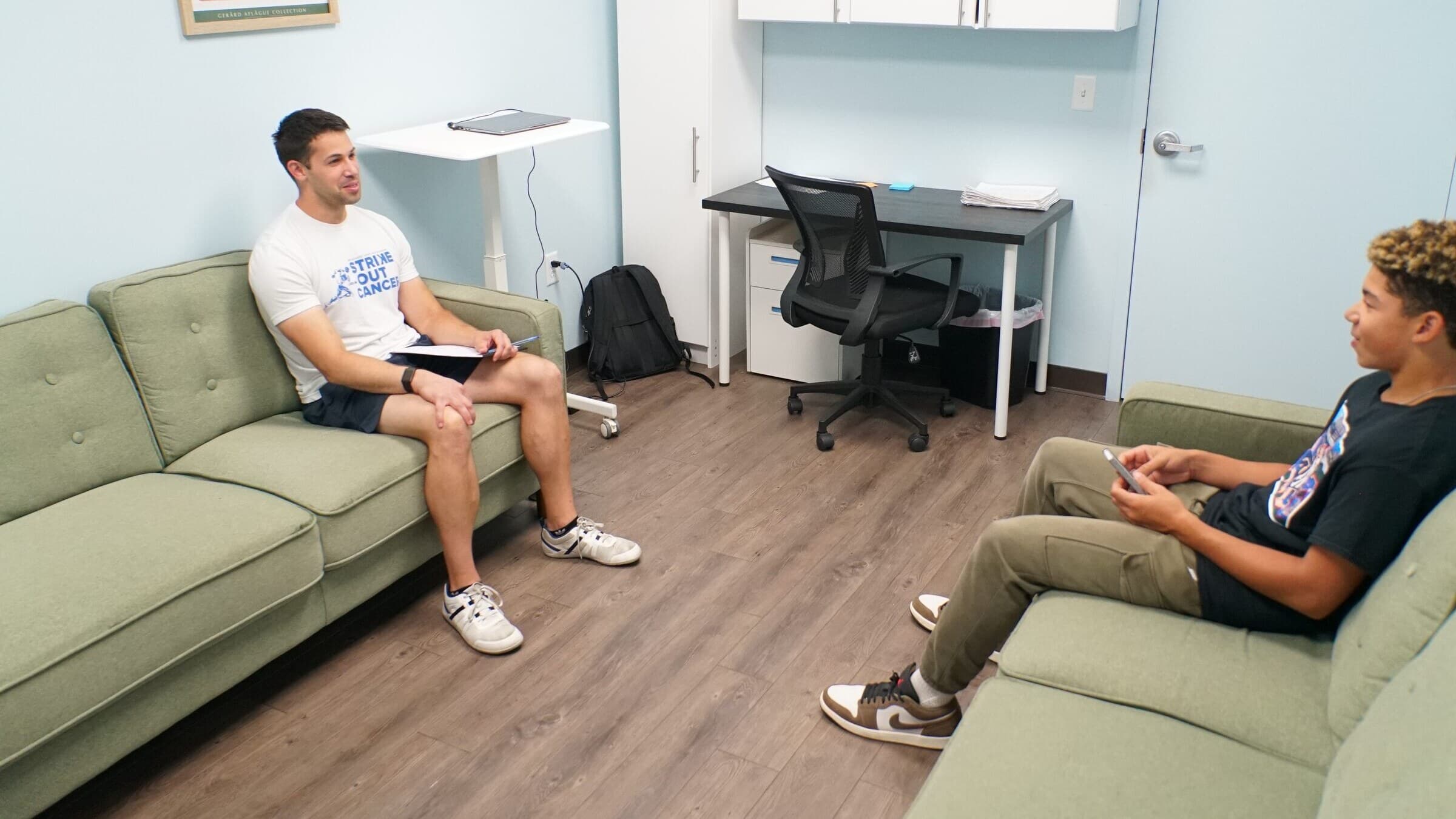
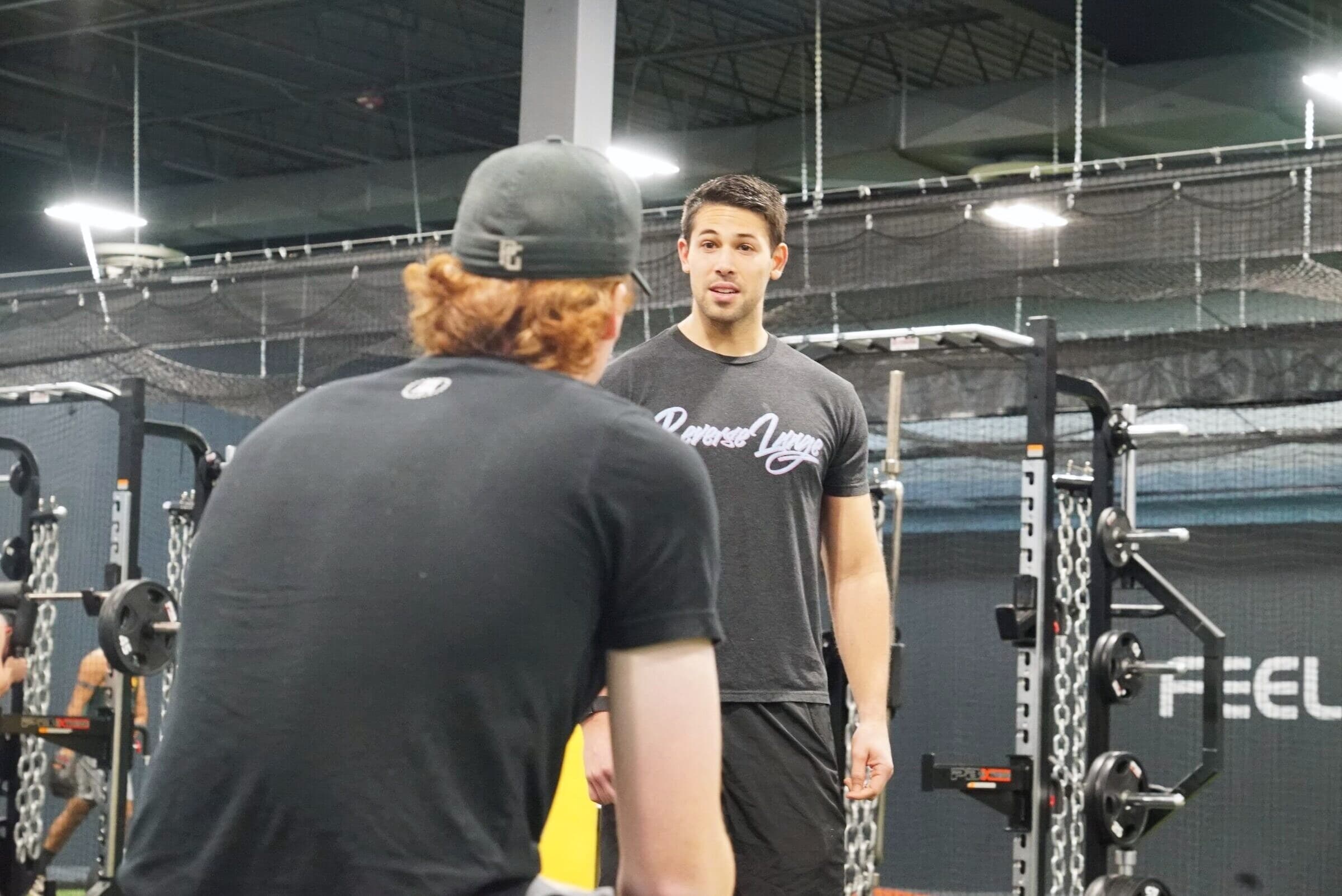
Sessions in Stamford alongside the strength and therapy staff, so sleep, fatigue and pain are handled by the same team.
Where this discipline begins
Remote
Video sessions and between-session check-ins. Fully remote-capable.
Hybrid
In person around competition, remote between.
Questions people ask before they book.
Short answers. If yours is not here, talk with ATP and we will give you a straight one.
You don't need to know. The evaluation decides that. Many people need one discipline. Some need two or three, in a specific order. Start Here will show you what ATP would want to investigate first.
Yes, for baseball development, performance programming, and mental performance, on a remote or hybrid basis. Therapy generally begins on-site.
You spend the session with a clinician or coach. We take a detailed history, test across the domains your history points to, and use technology where it answers a real question. You leave with a working diagnosis, a priority order and a plan.
No. We work with professionals, and we work with 14-year-olds and 45-year-olds. What matters is that you want a clear answer about what is limiting you and a plan that is built around it.
Find what changes when it counts.
Tell us what you want to be different in competition. We will show you where ATP would start.