
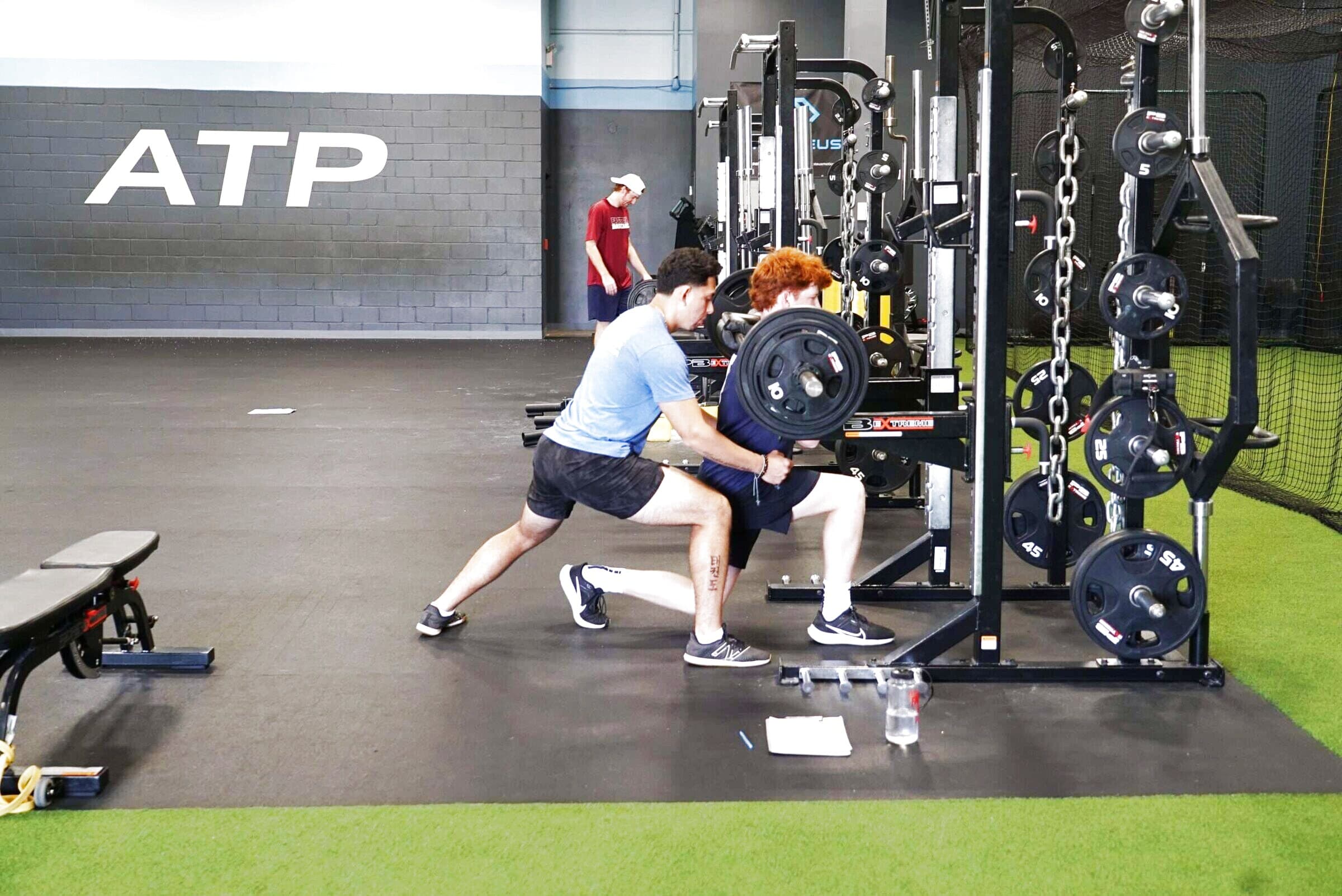
Strength and conditioning for athletes and adults, on-site in Stamford, CT or programmed remotely.
Faster, stronger, more durable. Any sport.
The program starts with an evaluation, so the work goes where the limit is. Strength, power, speed and recovery, built around one person.
For softball, soccer, basketball, golf, lacrosse, football, running, and adults who want to train hard again.
Athletes from youth to pro, across every sport.
What are you training for?
Pick the one closest to where you are.
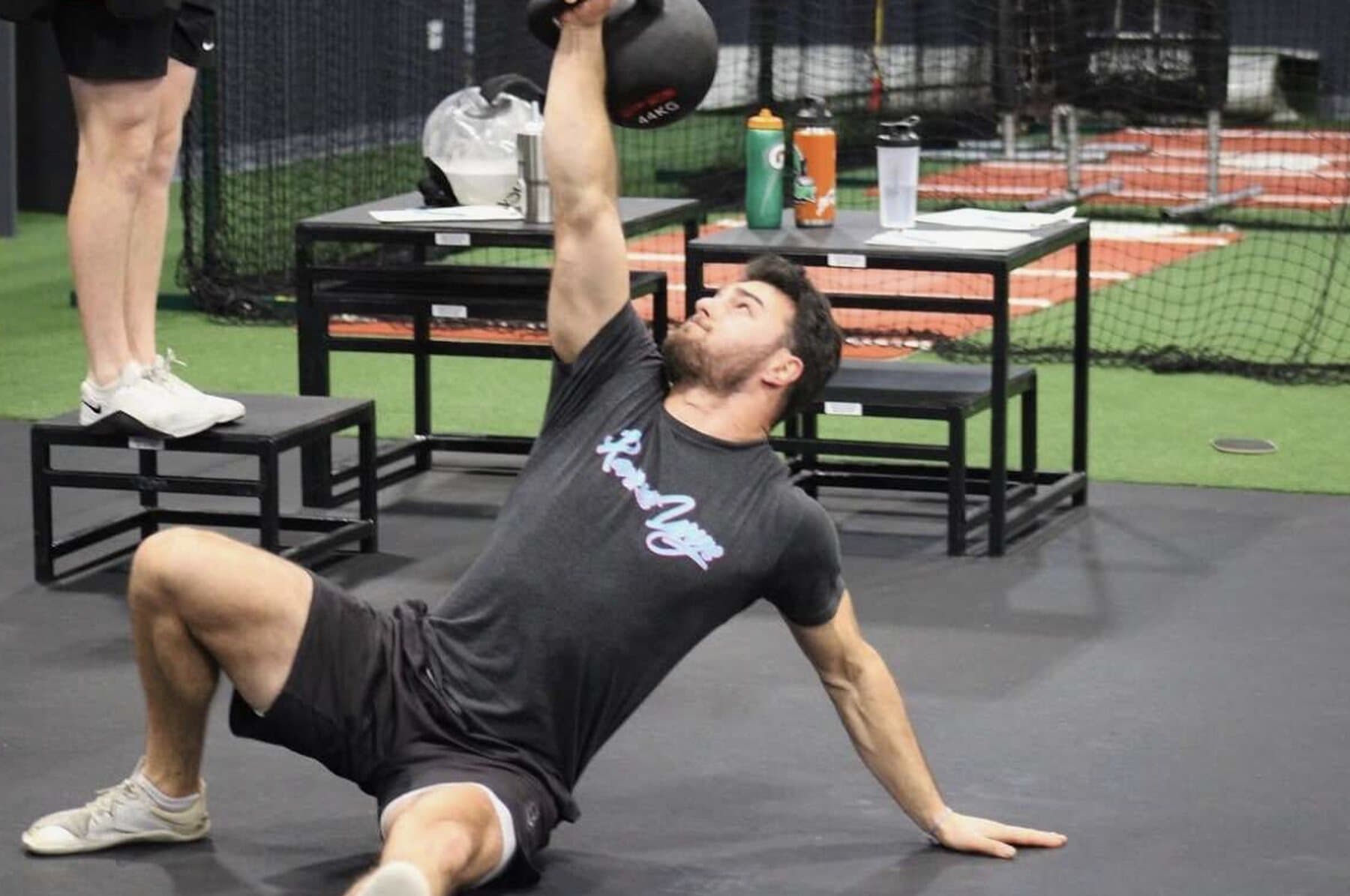
I want to be faster, stronger, more durable.
Softball, soccer, basketball, lacrosse, football, golf, running.
Start here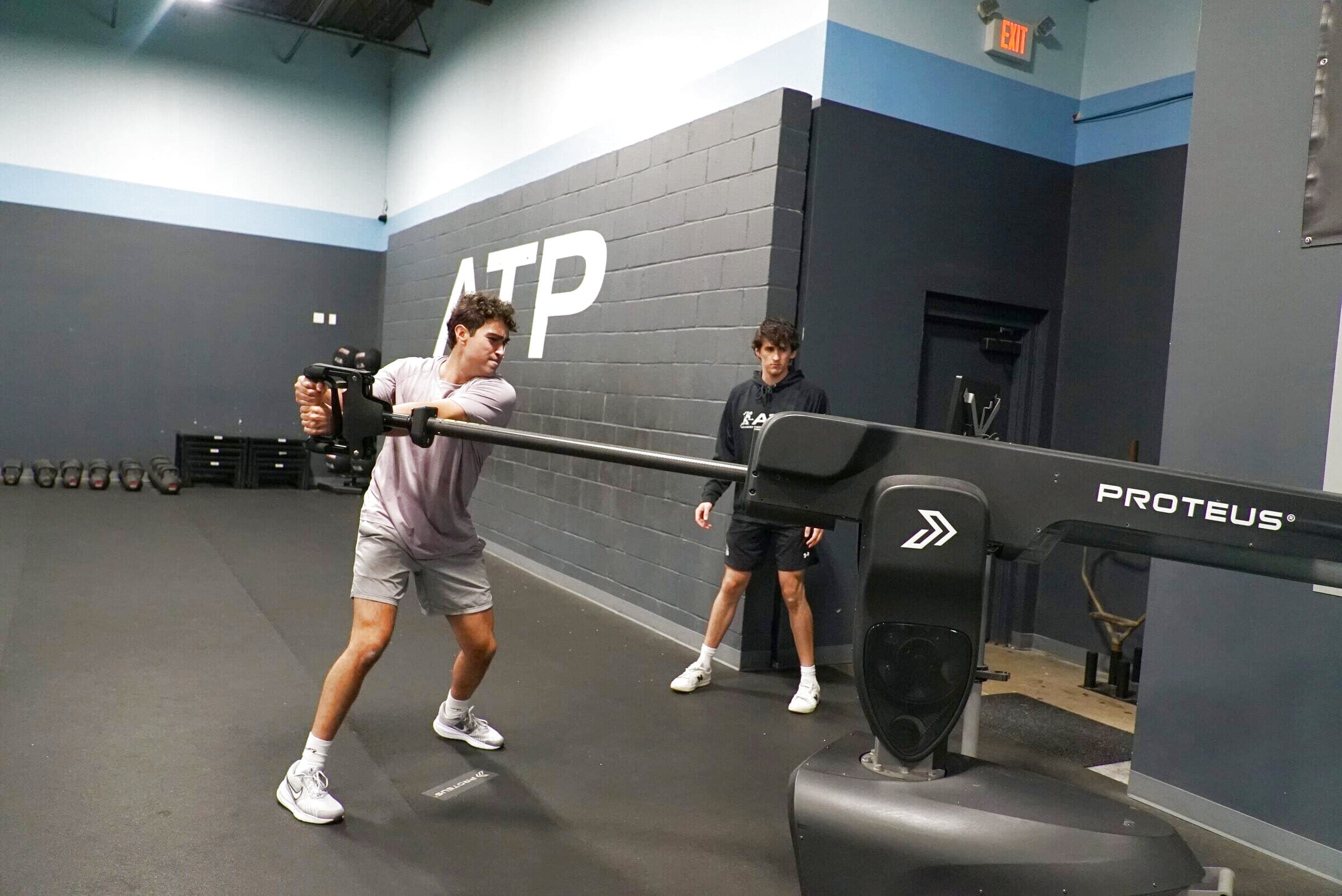
Strong in the weight room. It isn't showing up in my sport.
Capacity is there. Transfer is not.
Start here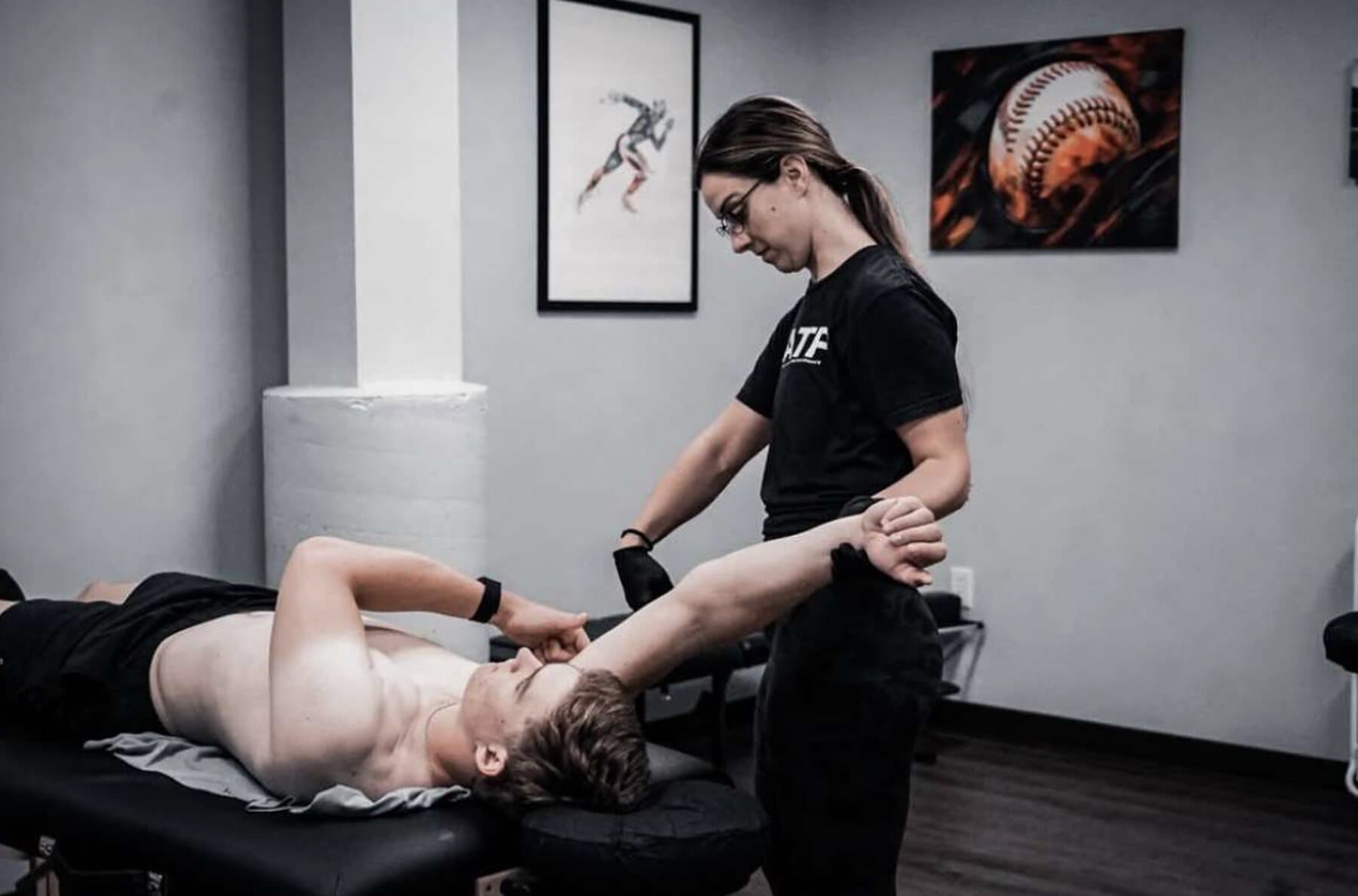
I get hurt every season.
Same tissue, same month.
Start here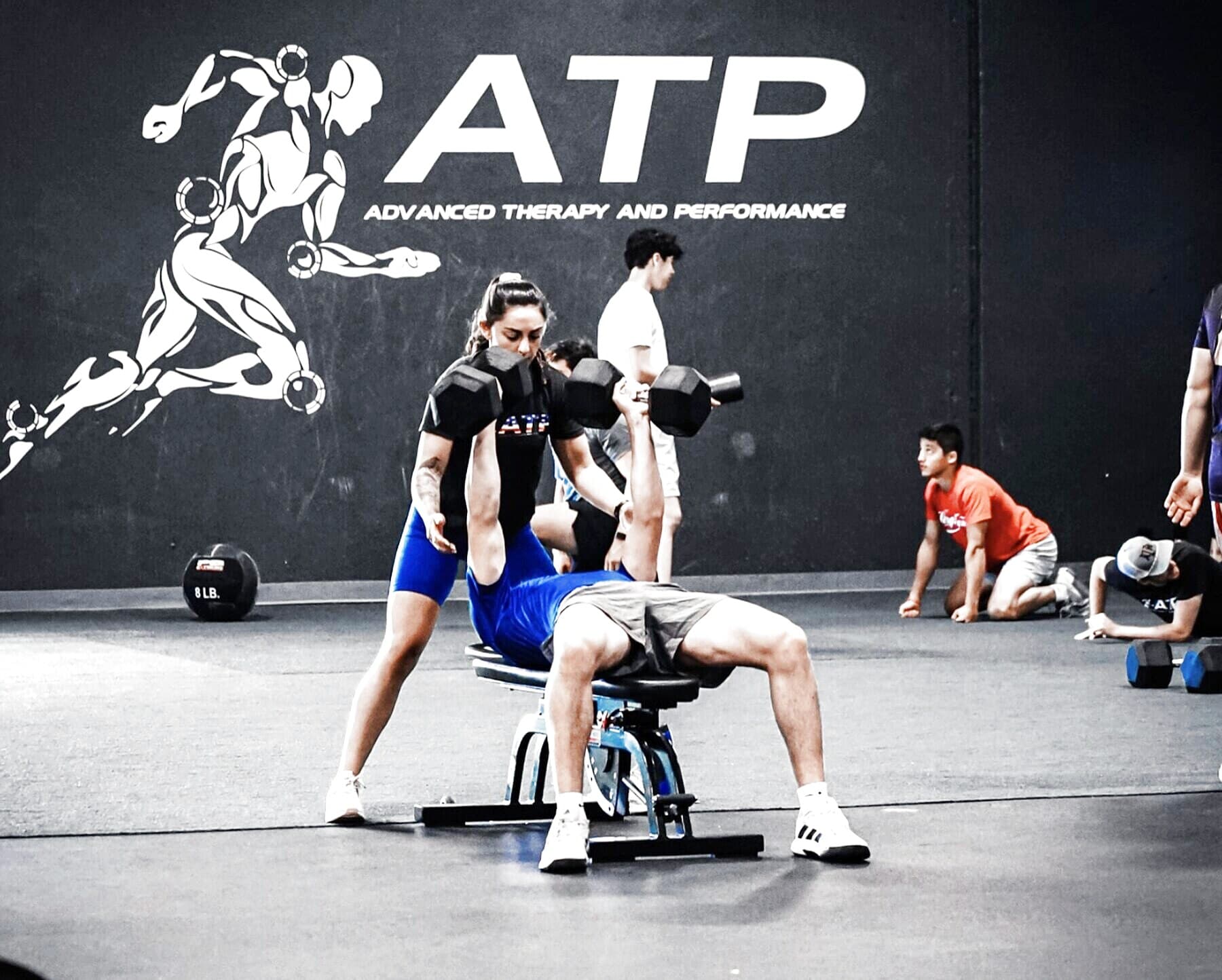
I'm an adult who wants to train hard again.
Lift, run, golf, keep up with the kids.
Start here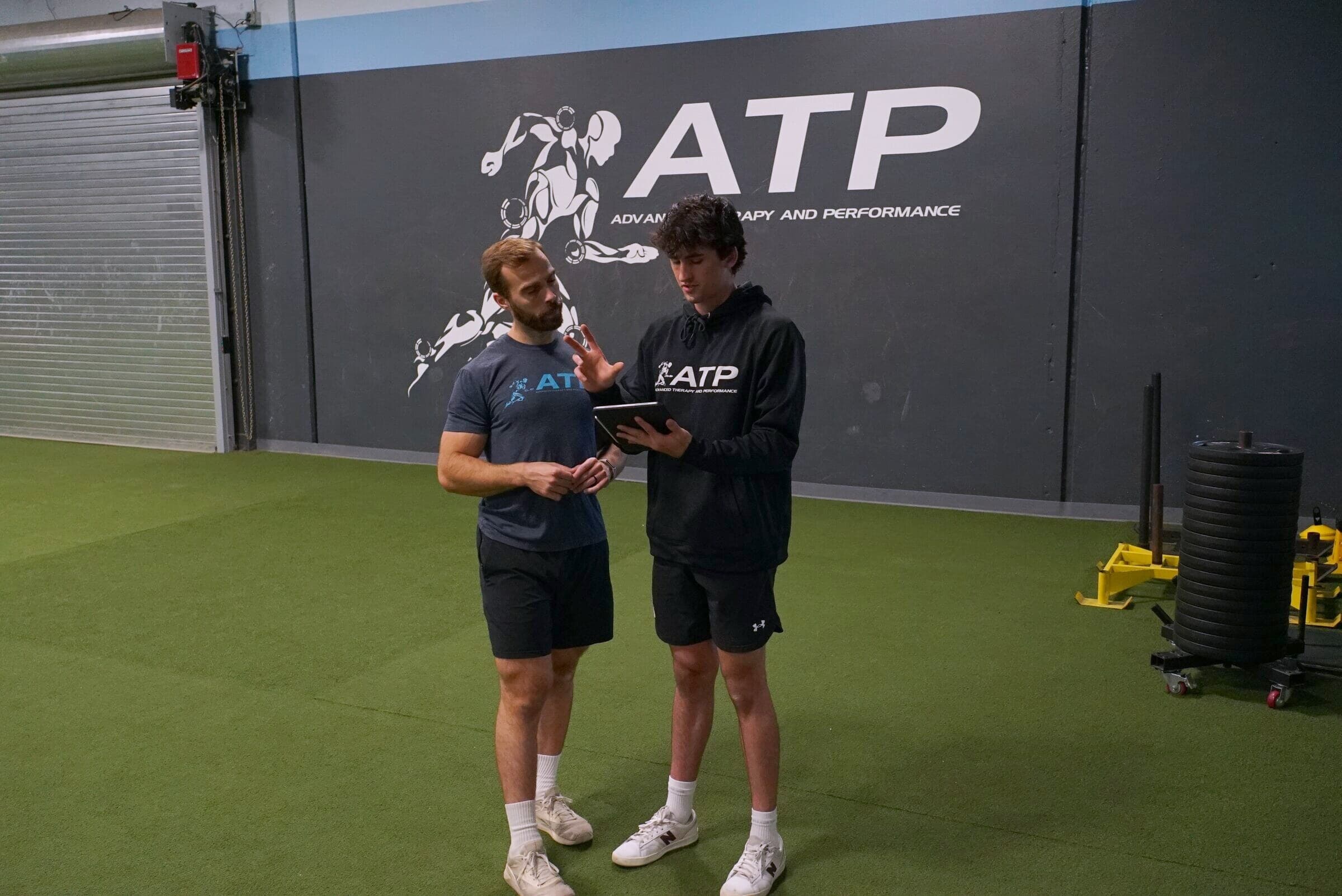
I'm not sure what I need.
That is fine. Start anyway.
Start here
What ATP looks at for performance.
Whether the engine is big enough, whether it shows up in the sport, and whether the body is recovering enough to adapt.
Same problem.
Different limitation.
Three athletes say “I want to be faster.”
I want to be faster
What mattered
Findings
- Jump height low for the level
- Acceleration mechanics are fine. The force is missing.
We start with
Strength, Power & Physical Capacity
Strength and rate of force development before more speed drills
Illustrative composite drawn from patterns ATP sees.
How training works here.
Evaluate, decide, act, retest. Adapt feeds back into Evaluate.
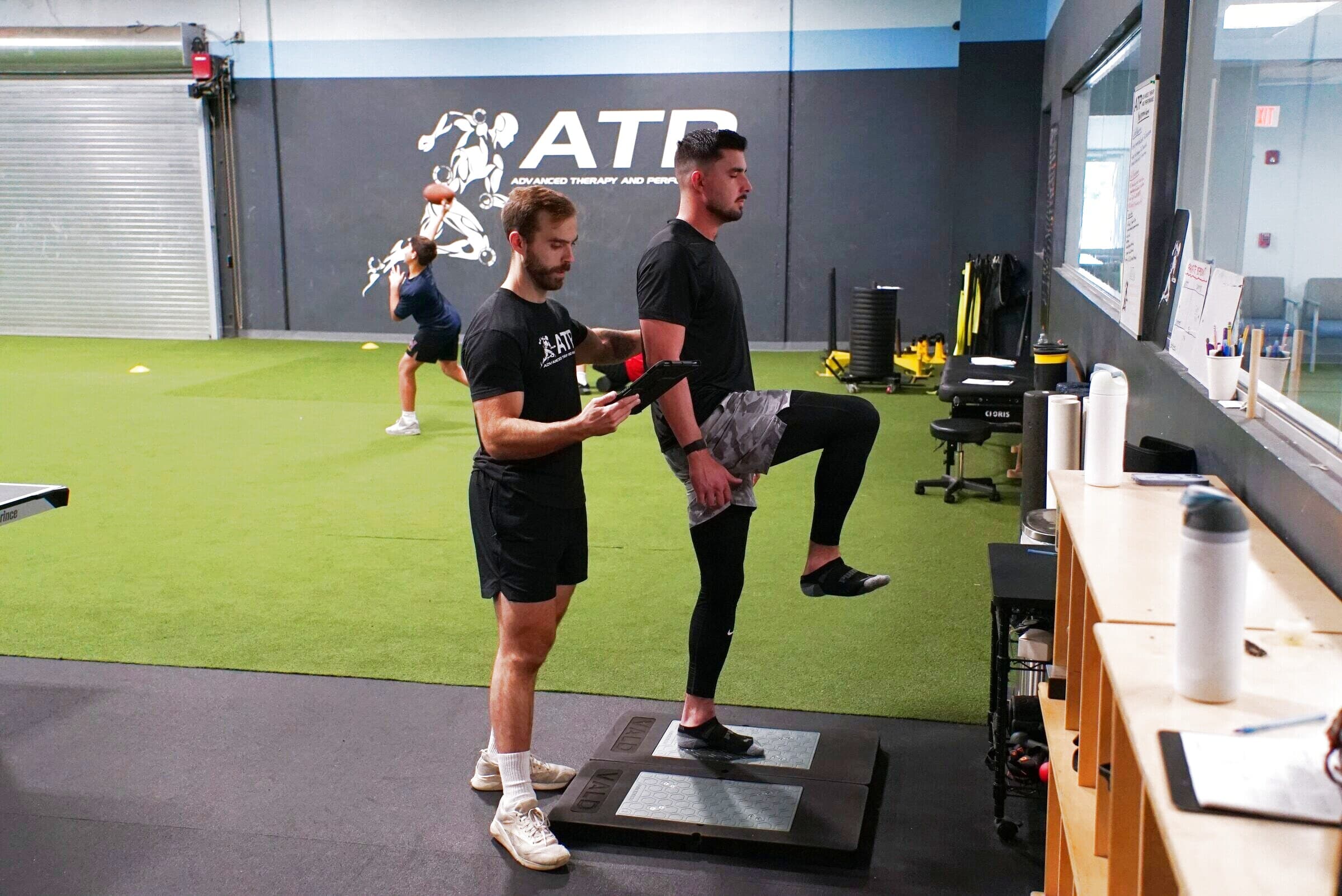
Force and jump testing before the first program, and again every block.
Sessions are coached in person or reviewed on video. Programming can be remote.
Recovery and load are written into the plan, because they decide whether the work is absorbed.
We measure what matters.
Three tools that tell us whether the strength is there, whether it becomes power, and whether the body is paying for it somewhere.
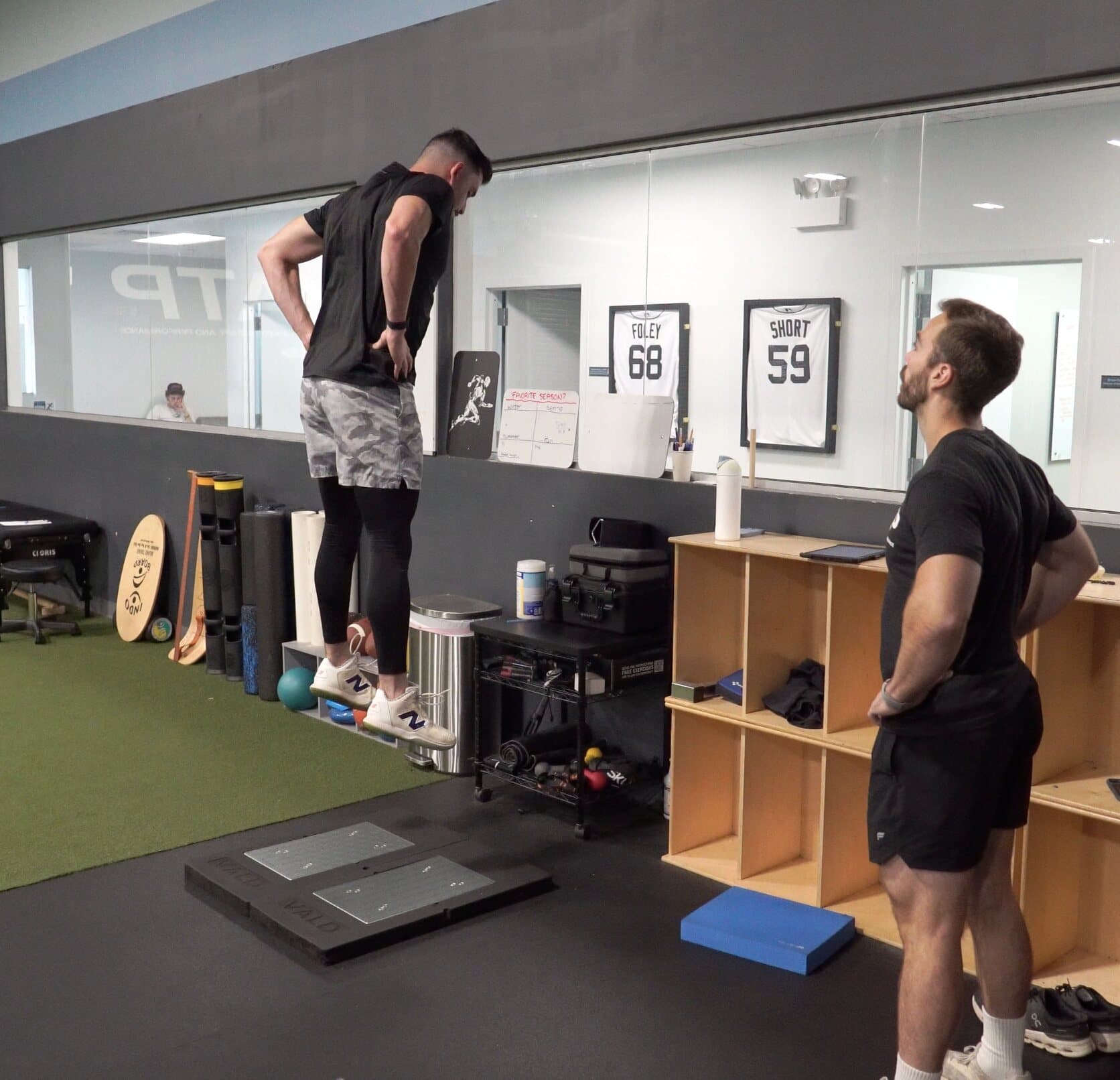
VALD force plates & dynamometryForce, asymmetry, jump and strength metrics Decides Whether strength is there, whether it is symmetrical, and whether it is being expressed as power.
Proteus3D power and rotational output Decides Whether rotational power matches the strength numbers, or whether force is getting lost before it reaches the skill.
Movement assessmentMovement patterns, restrictions and compensation Decides Whether a painful region is the source or the site that keeps paying for a restriction elsewhere.
Different sports. Same way of deciding.
A world long-drive champion, a Broncos defensive lineman, a Harvard right-hander, two undersized high schoolers.

Told she had a herniated disc. Six years of daily back pain, gone. The limiter was neurological.
“As a high level athlete, I was faced with many physical pains and limitations. I felt so fearful of the unknowns and the path forward. I was dealing with severe lower back pain and was told I had a herniated disc. After working with ATP, my lower back pain is…” Read more
non-existent and I'm both physically and mentally stronger than ever.”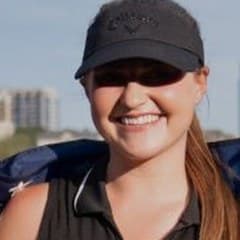
Monica Lieving
World Long Drive champion, ranked No. 1
Bodywork and nervous-system work through an NFL season.
“Josh has helped me immensely both on and off the field. With his help, I've unlocked new ranges of motion, the ability to play pain-free, and understand how to prepare myself for success. He is a true friend for life.”

Zach Allen
Defensive lineman, Denver Broncos. First-team All-Pro and Pro Bowl, 2025
155 to 190 lb and 80 to 87 mph in six months. Later 220 lb and 93 mph.
“I came to ATP as an undersized high schooler with dreams of playing Division I baseball. Within just six months, my work in the weight room led to a 35-pound increase in bodyweight (155 to 190 lbs) and a 7 mph jump in fastball velocity (80 to 87 mph). That…” Read more
improvement helped me commit to my dream school, Dartmouth College. During my offseasons at Dartmouth, I continued training with ATP, eventually reaching career highs of 220 lbs and 93 mph. Those gains opened the door to playing Power 4 baseball at the University of Notre Dame.”
Clark Gilmore
Dartmouth, then Notre Dame
159 to 190 lb. Exit velocity 89 to 105. 60-yard 7.2 to 6.8. Committed a year after joining.
“When I first came to ATP I was underweight, undersized, and lacked strength. ATP helped me gain strength, assist in the weight gain process, and boost all 90 mph formula, velocity, exit velo metrics, and mental strength. All of this contributed to my college…” Read more
commitment in September of 2024, just over 1 year after joining ATP.”
Nick DiMaso
High school, college commit
In their words, from ATP’s published results.
Coached in Stamford. Programmed anywhere.
Testing is best on the floor. The program can follow you home.
316 Courtland Ave, Suite 5, Stamford, CT 06906
On-site
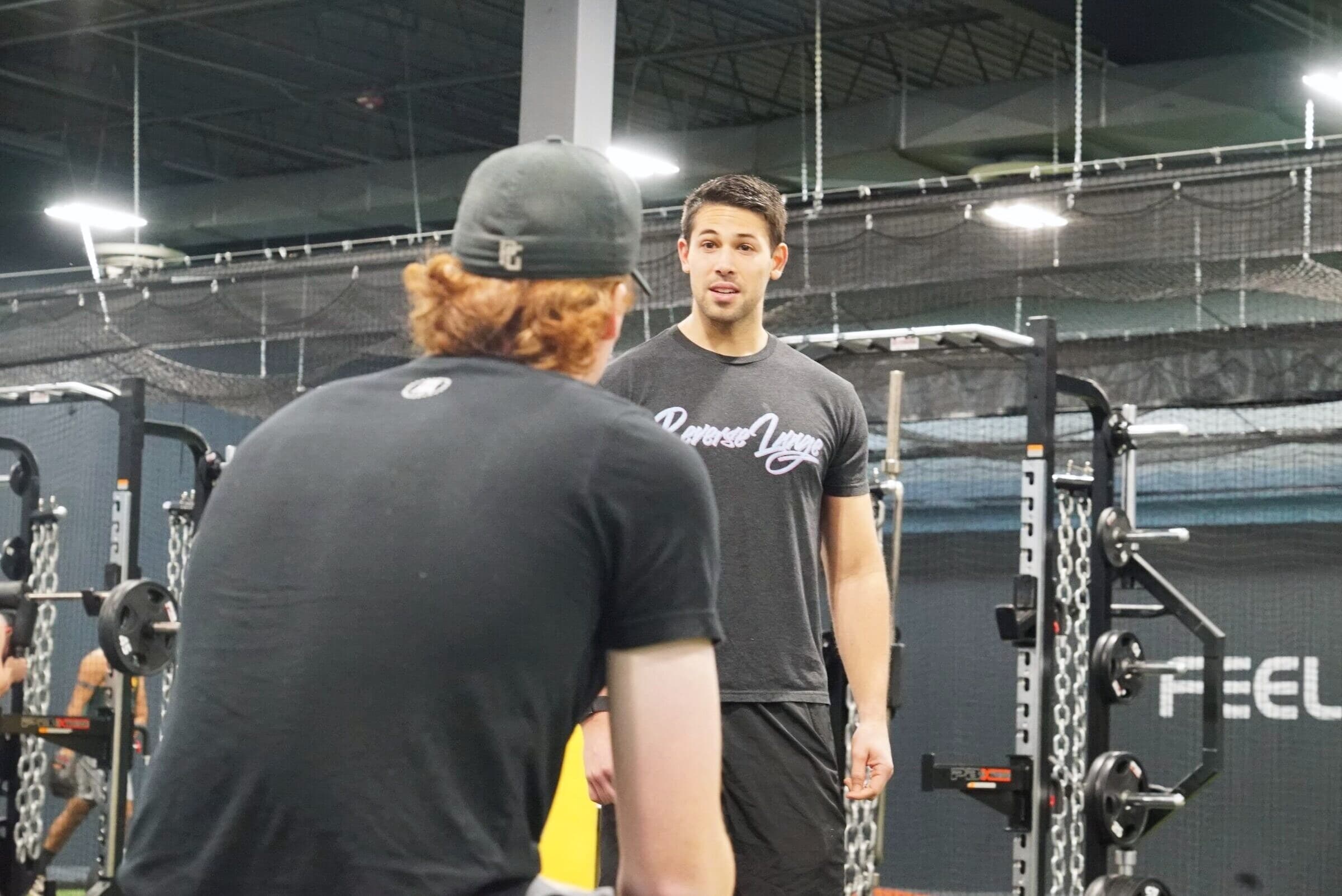
Coached sessions with force plates, Proteus and the therapy staff in the same room.
Where this discipline begins
Remote
A written program with video review and check-ins. Evaluate and test on-site first when you can.
Hybrid
Test in Stamford, train where you are, retest on a schedule.
Questions people ask before they book.
Short answers. If yours is not here, talk with ATP and we will give you a straight one.
No. Baseball is our largest performance specialty, and pitchers are a big part of who we see. The same evaluation system is used with softball, soccer, basketball, volleyball, golf, cycling, football, lacrosse, and active adults with no sport at all.
Yes. Female athletes across youth, high school, college and adult levels train and rehab at ATP. The evaluation is built around the person in front of us.
No. We work with professionals, and we work with 14-year-olds and 45-year-olds. What matters is that you want a clear answer about what is limiting you and a plan that is built around it.
Yes, for baseball development, performance programming, and mental performance, on a remote or hybrid basis. Therapy generally begins on-site.
Find the limit. Then train it.
Tell us your sport and what you want more of. We will show you where ATP would start.