
A38, lifts four days a week
Findings
- Lumbar tissue irritable under load
- Trunk cannot control the hinge at speed
We start with
Tissue & Movement
Tissue treatment, then rebuild the hinge
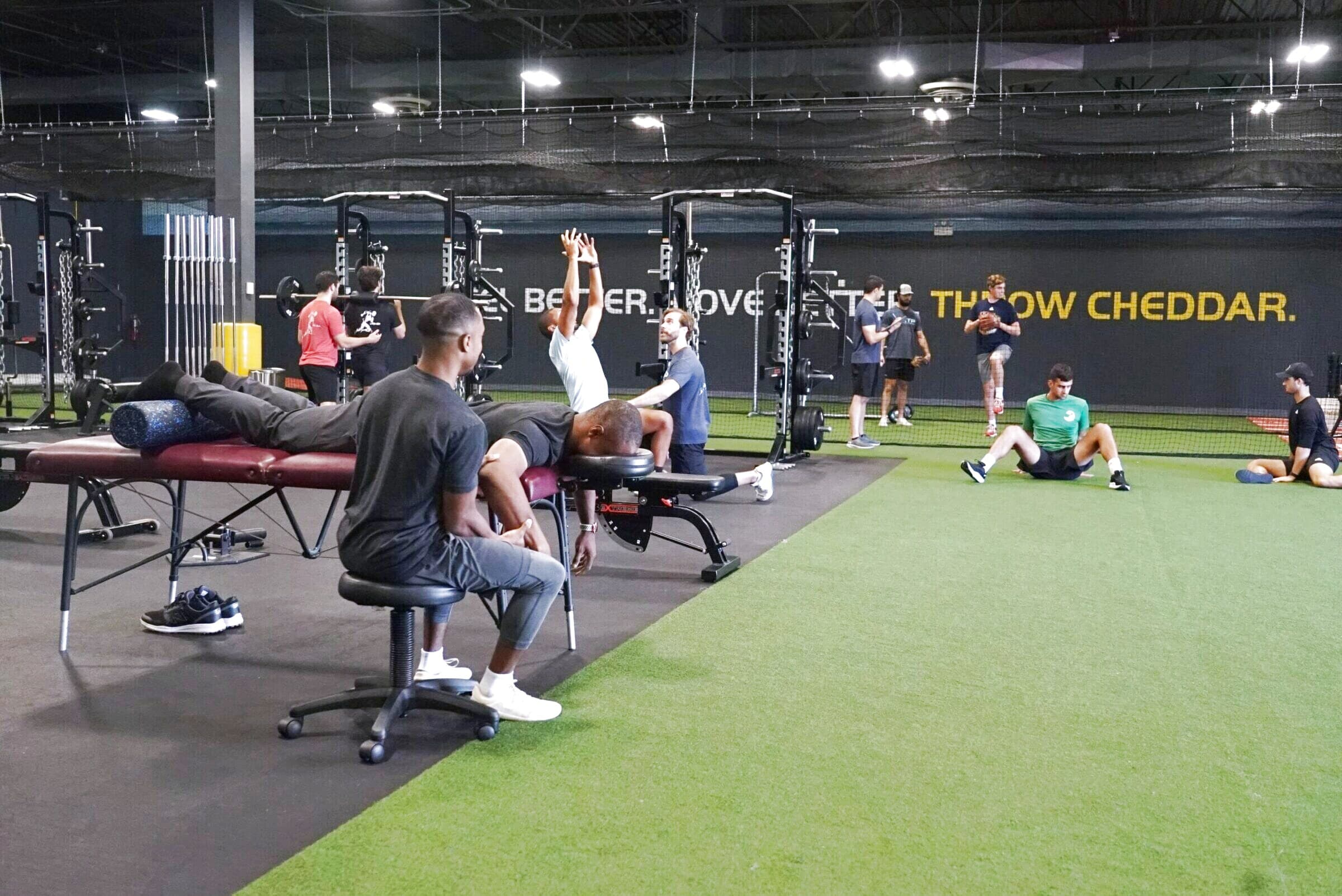
The ATP System
An elbow, a plateau, or a bad fourth inning is the visible result of several systems. ATP finds which of them limit you, and in what order.
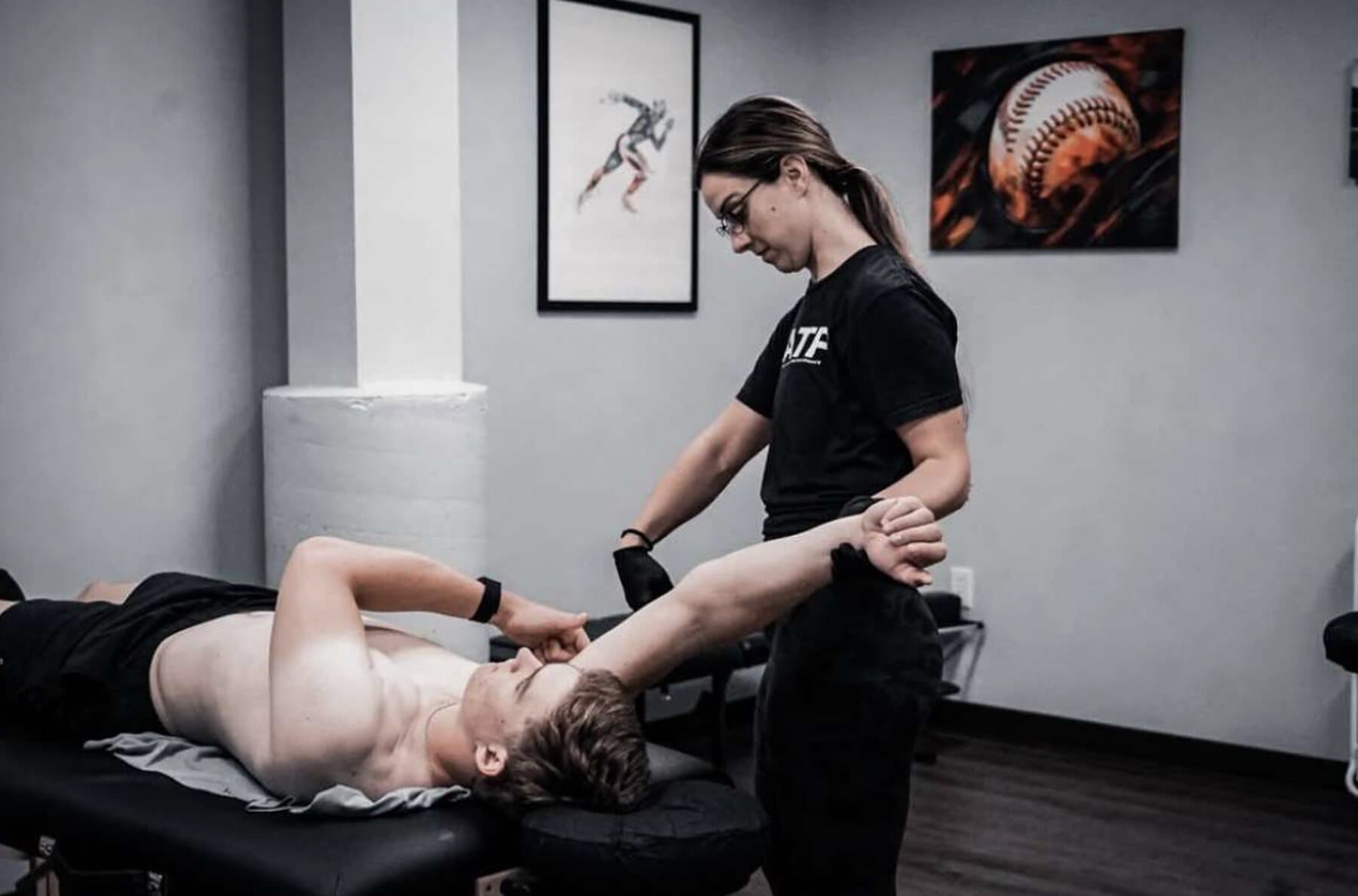
Tissue & Movement. How do the tissues tolerate load, and how does the body move under it?
Three disciplines under one roof, working from the same evaluation and the same plan, in the same order.
Integrated Performance Therapy
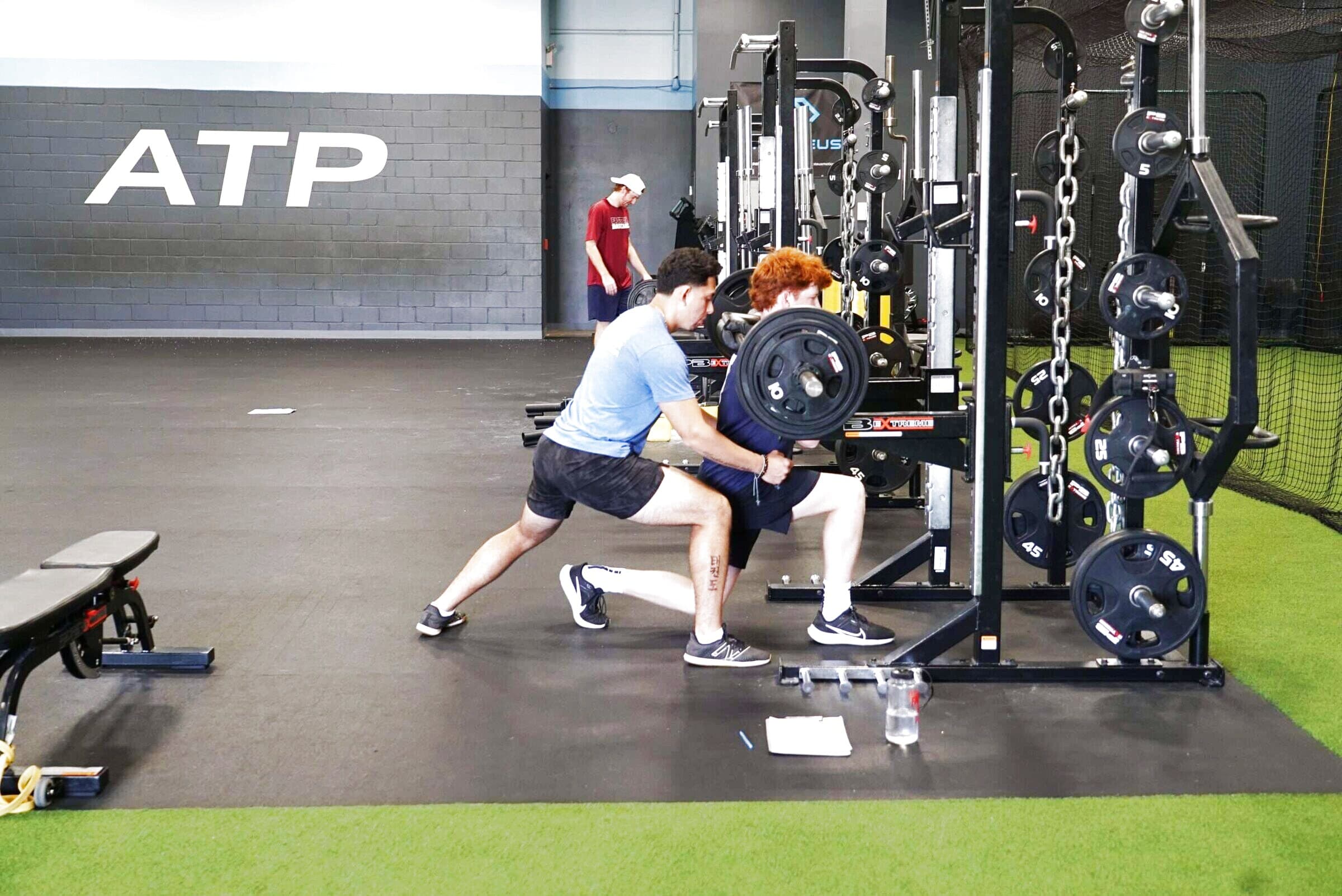
Integrated Performance Coaching
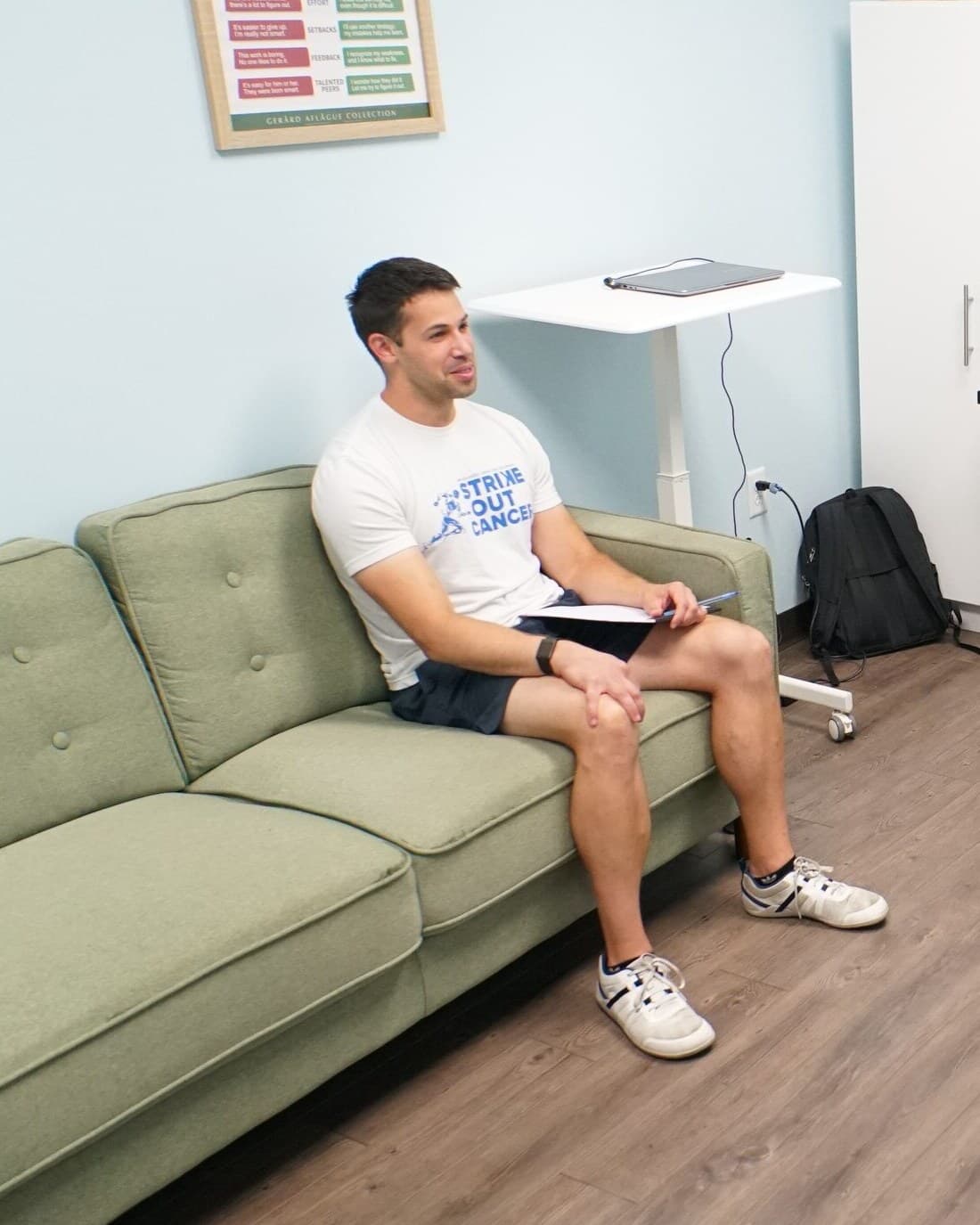
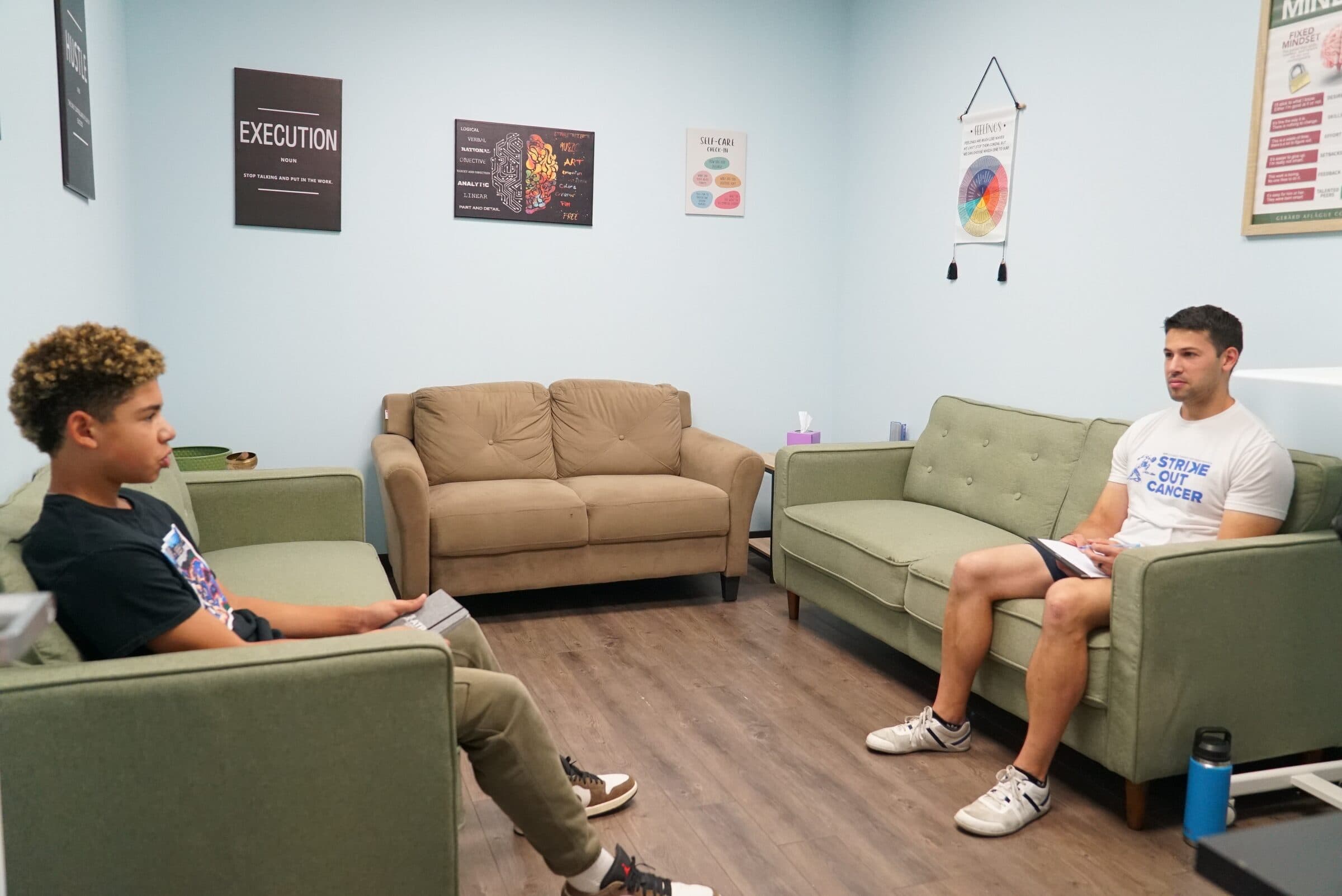
Mental Performance
You
Evaluated once. One working diagnosis. A plan built for you.
Someone may need one of these or all three. The evaluation decides that, and the plan is built from it.
What ATP evaluates
Every evaluation looks across all seven, because the one you walk in talking about is often not the one limiting you.
Tissue & Movement. How do the tissues tolerate load, and how does the body move under it?
No single framework explains a whole person. The same finding may be read through several of these before it becomes part of the working diagnosis.
Every lens has a job. The evaluation comes first, and the lenses read what it finds.
Proxy screening
ATP may use behavioral, cognitive, autonomic and symptom-based screening to identify patterns worth investigating. These are proxy patterns used in clinical reasoning; ATP does not directly measure brain neurotransmitter levels. A pattern on a screen is a question for the working diagnosis, never a conclusion on its own.
We decide what we are trying to change first. Then we choose the tools that fit the working diagnosis.
Pick a person
17, strong in the weight room, stuck at 84 mph for a year.
What mattered
Working diagnosis
Strength is there. Power and transfer are not, and short sleep limits what he can absorb.
We start with Strength, Power & Physical Capacity.
Integrated Performance Therapy
Not needed for this person.
Integrated Performance Coaching
Mental Performance
4 more available. Not chosen here.
Illustrative examples, not individual athletes.
Scroll. Six steps for an adult whose back keeps flaring. The same loop runs for every person ATP sees.
Illustrative case
Evaluate
Back, head position, gaze, load, sleep, history. Each one measured.
Four people say “my back hurts.” The steps never change. What changes is which domains carry the weight, and which comes first.
A38, lifts four days a week
Findings
We start with
Tissue & Movement
Tissue treatment, then rebuild the hinge
B45, golfer, headaches too
Findings
We start with
Neuro-Sensory & Motor Control
Vestibular work first, manual therapy alongside
C52, new night pain
Findings
We start with
Medical & Structural
Medical evaluation before anything else
D19, in-season, sleeping five hours
Findings
We start with
Recovery & Physiology
Manage load and sleep, then restore capacity
Illustrative examples, not individual athletes.
Constant arm discomfort to healthy baseball, with therapy, training and mental performance in one place.
“Prior to starting I would have constant arm discomfort and lingering issues that I felt would never resolve. Not only is it a facility where you get the absolute best training and guidance from Brian and the rest of the staff, but there are numerous resources…” Read more
at the facility. The treatment with Kevin and Taylor and mental performance with Matt are two areas that tremendously helped me take the next step in my athletic career.”

Dennis Gamester
Catcher, San Jose State
Told she had a herniated disc. Six years of daily back pain, gone. The limiter was neurological.
“As a high level athlete, I was faced with many physical pains and limitations. I felt so fearful of the unknowns and the path forward. I was dealing with severe lower back pain and was told I had a herniated disc. After working with ATP, my lower back pain is…” Read more
non-existent and I'm both physically and mentally stronger than ever.”

Monica Lieving
World Long Drive champion, ranked No. 1
Rehabbed at ATP after UCL reconstruction in college. Seven professional seasons since.
“I came to ATP fresh out of UCL reconstruction surgery. I decided to come to ATP instead of a traditional PT clinic because I wanted to be challenged throughout my rehab and surround myself with therapists and trainers who work with elite athletes on a daily…” Read more
basis. Taylor was incredible at listening to how I was feeling on a daily basis, using that information to adapt our plan as needed while ensuring that I hit every checkpoint in my surgeon-prescribed rehab plan.”

Jake Walkinshaw
UCL rehab at ATP in college; seven professional seasons since; Miami Marlins organization
Bring the symptom. The evaluation finds the system, and the order.