
Working Diagnosis
I can't make a throw I've made a thousand times.
The yips describe a symptom. They are a poor diagnosis. ATP splits every case three ways, mechanical, neurological and situational, and tests each: can the athlete physically make the throw, can the nervous system organize it, and does the context change the response. The most common working diagnoses are a neurotransmitter deficiency, gaze instability and a neck that will not rotate. The lead domino is usually not mental. Fix it, and the mental work finally sticks. Stamford, CT, and remote consults.
By Josh Heenan. Reviewed by Matt Rieger, Certified Mental Performance Consultant (CMPC). Updated .
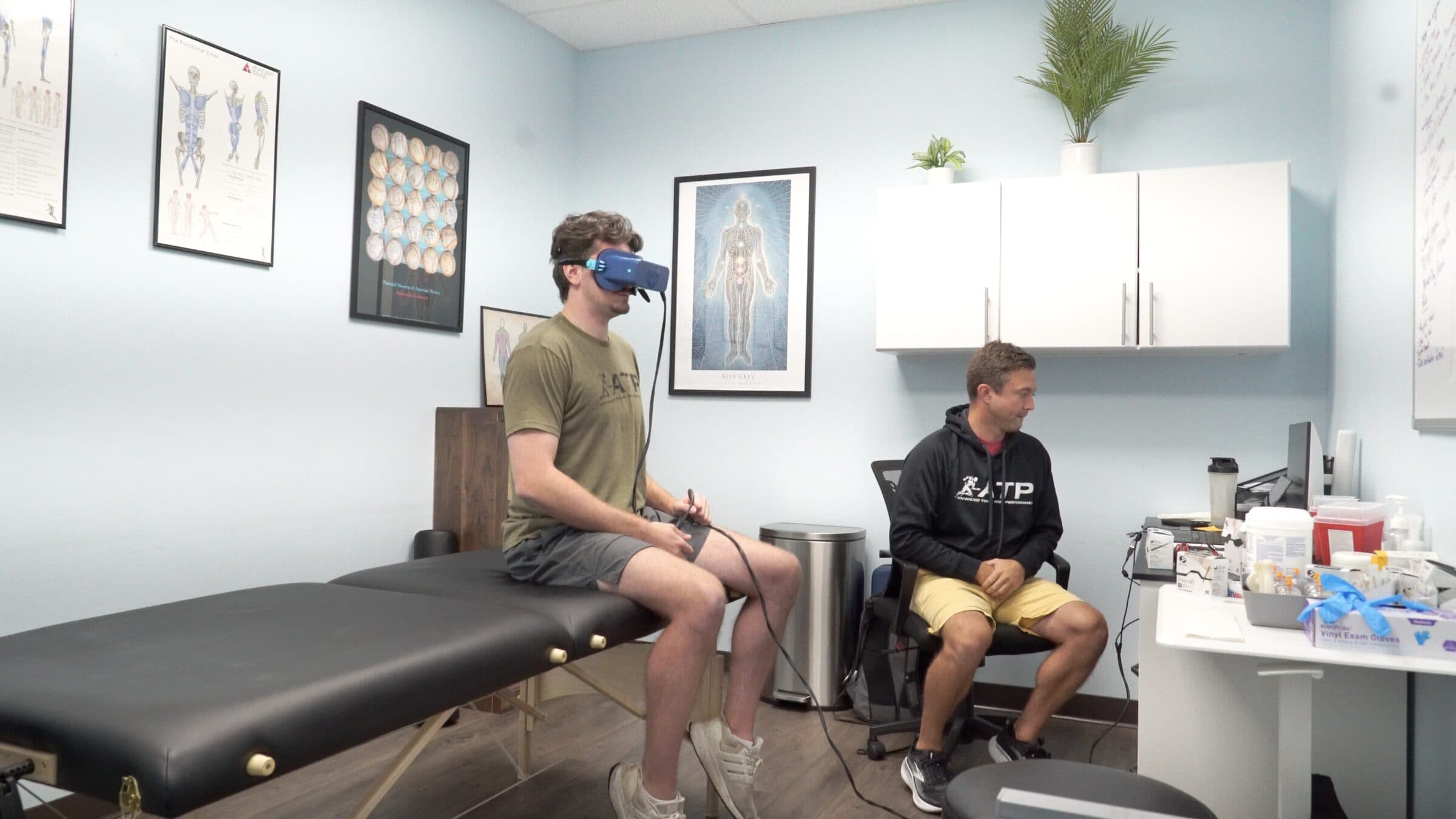
From Josh Heenan's Instagram
Watch: where a pitcher's brain thinks center is.
A pitcher with a history of the yips, in VNG goggles, sees pitch black. He is asked to look straight forward. Watch his eyes drift right and then return to the middle.
A brain that does not know where neutral is will fight rotation to the other side on every throw. That is a testable finding, and it is treated, alongside the throwing and the mental work.
Watch on InstagramThree buckets, tested in order
Mechanical: can the athlete actually perform the skill? Catch play, bullpens, game throws, pickoff plays, different distances, different balls. If the movement is gone, mechanics move up the list.
Neurological: can the nervous system organize the movement normally? Neurotransmitter patterns, eye tracking, gaze holding, re-centering, eye and head coordination, the inner ear, balance, neck rotation and tension, and the autonomic state. Sometimes the athlete still has the skill and the neurological state changes the output.
Situational: does the context change the response? Throws fine in a game and loses it in fielding practice. Throws a football fine and a baseball feels different. Ninety feet is fine and forty-five feet is impossible. That tells us the movement is still available and the context is changing the response. That is where the true mental cases show themselves, and they are a minority.
What the cases actually show
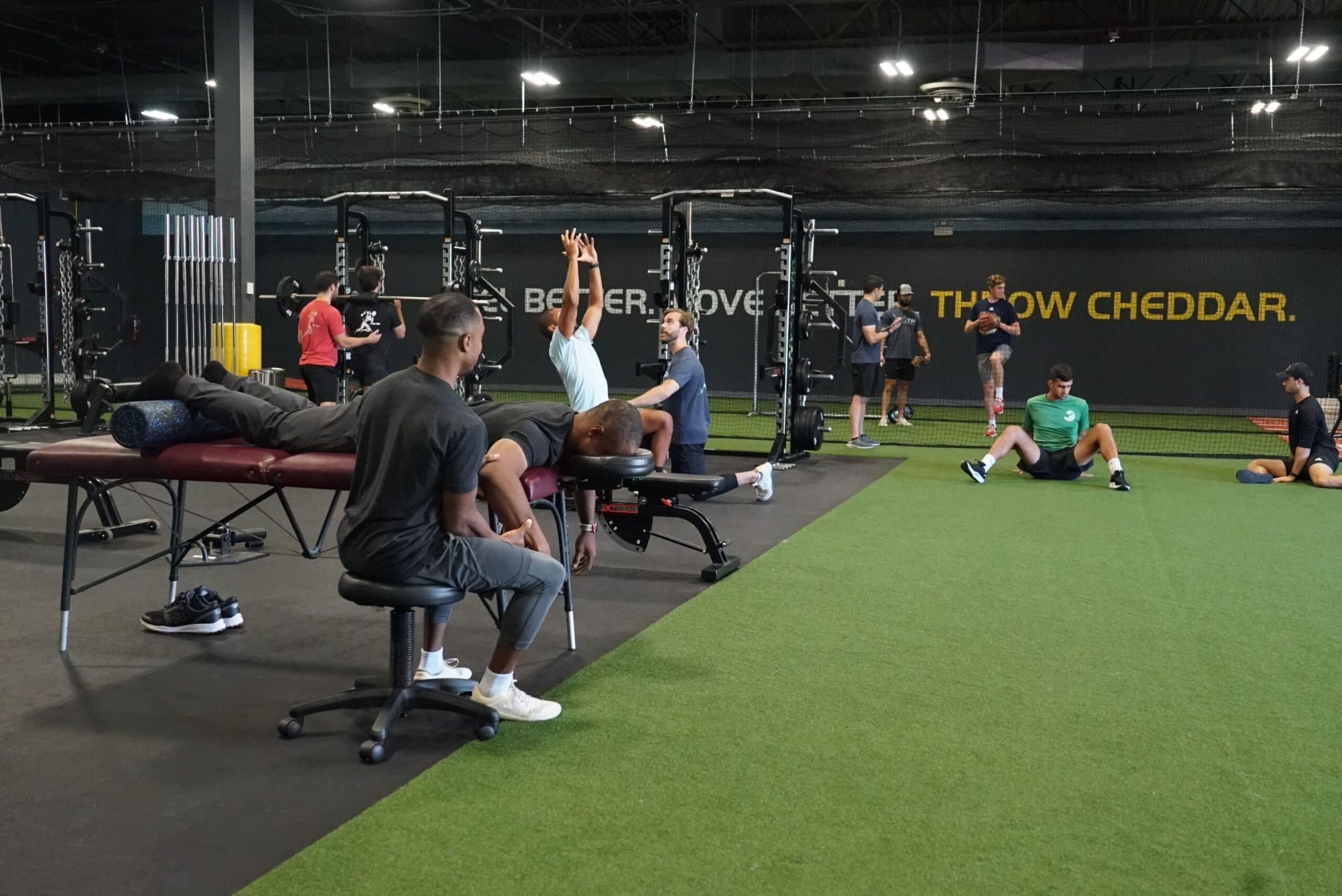
Almost every yips case Josh Heenan has worked with has had a significant neurotransmitter deficiency along with inner-ear and eye-tracking dysfunction. In a recent run of on-site and remote yips cases, all but one had a neurotransmitter deficiency and none had a true mechanical issue. Two thirds were pitchers, the rest infielders and catchers. Many had already spent years with a sports psychologist, and it had helped without clearing it.
A pitcher up to 101 mph described his body shutting down and his mind racing after a bad throw, then a racing heart playing catch, digestive trouble and violent dreams. His eye screen showed convergence that would not settle and pupils that pulsed, his chemistry screen showed low acetylcholine, and the nervous system was treated and re-evaluated at each visit. Most of it was under control within a week. You cannot mind-over-matter a dysregulated nervous system.
Where the brain thinks center is
Ask an athlete to look straight ahead and watch. Eyes that drift right, overshoot on the way back, or take a second to find the middle belong to a brain that does not know where neutral is, and that brain will fight rotation to the other side on every throw. One professional pitcher's eyes drifted right at rest, drifted right looking left, and overshot right coming back to center. Watch him juggle and he rotated right. Daily juggling and neurological treatment are how that gets retrained, alongside the throwing.
The chemistry underneath
Sleep, stimulants and food set the chemistry that runs eye control, calm and drive. A tin of nicotine pouches a day, energy drinks, a phone in the bedroom and five hours of sleep produce the exact eye patterns above, and a stimulant can hide them for a few hours. ATP's evaluation includes a neurotransmitter screen, and the plan changes those inputs before anyone is asked to relax. When the chemistry is off, training and treatment spin their wheels.
Attention and the fear of the next one
Once a throw has gone wrong in public, the next one carries the memory. That part is real and it is trained: where attention goes before the throw, the routine around it, and the tolerance for a bad one. Matt Rieger and Josh Heenan argue about which comes first, emotion or neurology, and both are probably right. The athlete gets both, in one plan, from one evaluation.
Remote is a real start
A remote consult can find the chemistry and the eye and balance problems and change the inputs the same day. One college catcher who could not throw the ball back to the pitcher, and who struggled with left-handed hitters in the box, had his throwing addressed before that day's practice after a single remote consult, with the chemistry finding confirmed a week later. The eye tracking, balance testing and hands-on treatment happen in Stamford, and a hybrid plan is common.
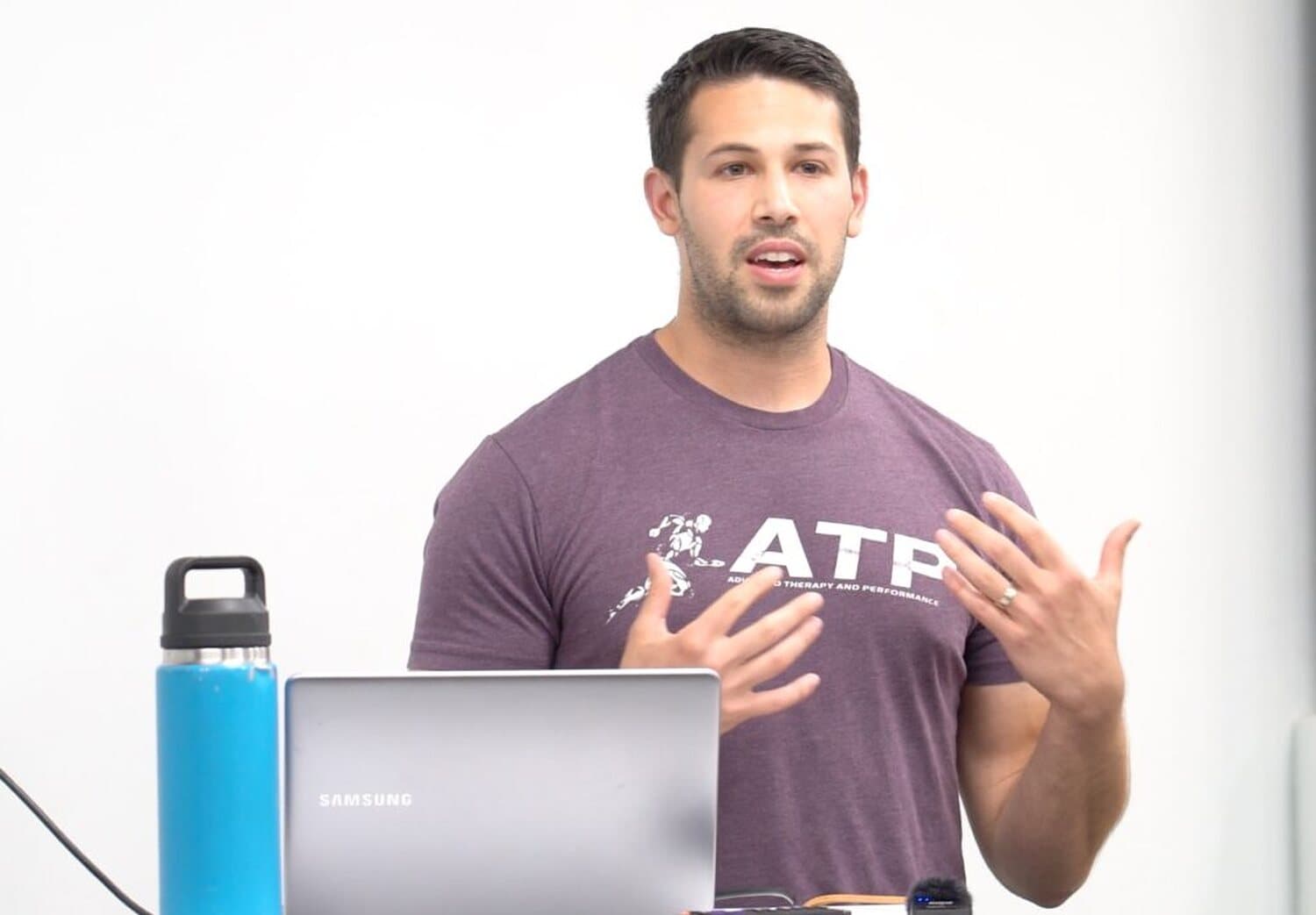
We measure what matters.
Each measurement earns its place by changing a decision about you. Nothing is run for the sake of a number.
VNG / VOGEye movement, gaze stability and vestibular function Decides Whether visual or vestibular function is influencing balance, coordination, symptoms, or movement organization.
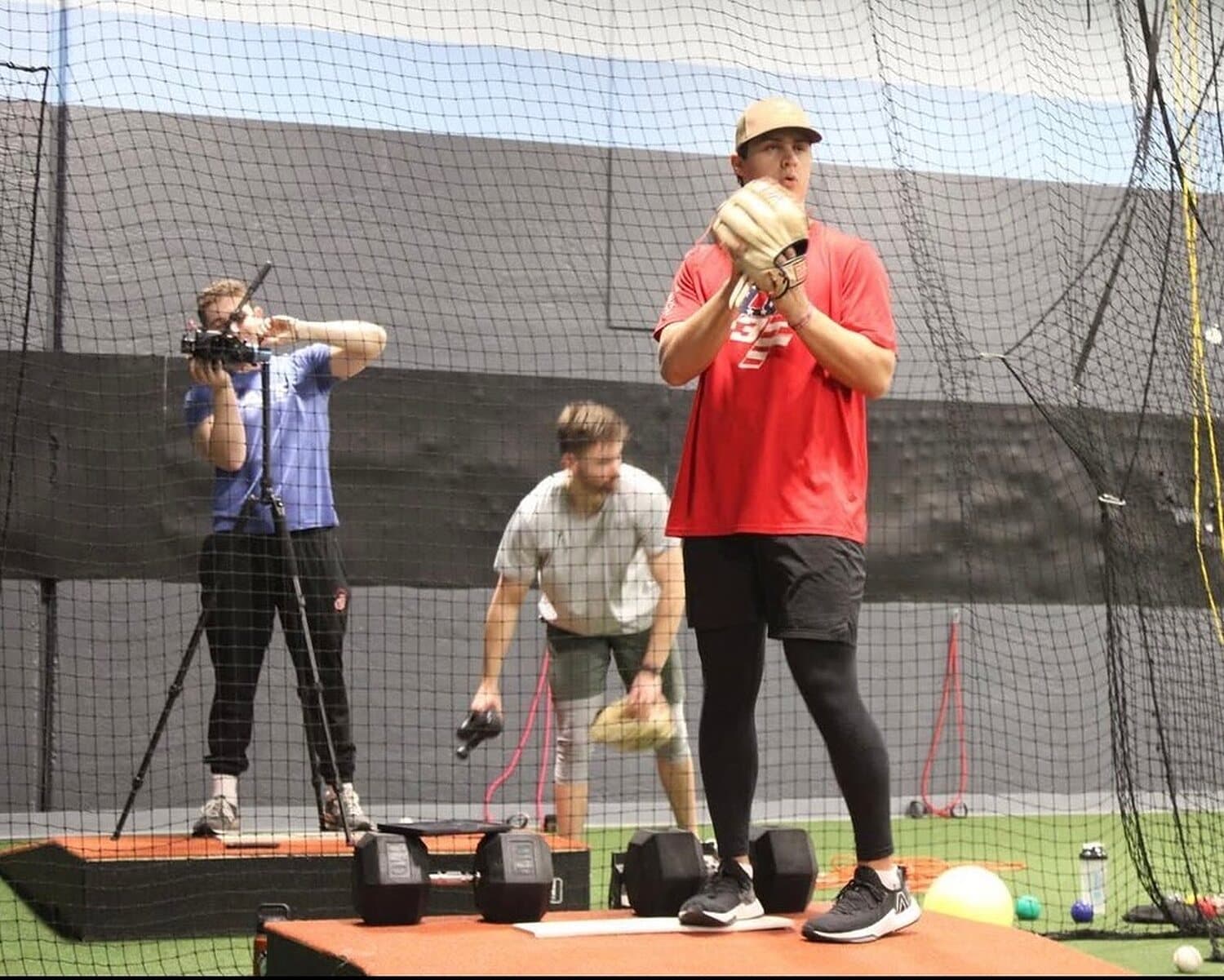
Video analysisThrowing, hitting and movement mechanics frame by frame Decides Where in the sequence force is transferred well, and where it is leaking.
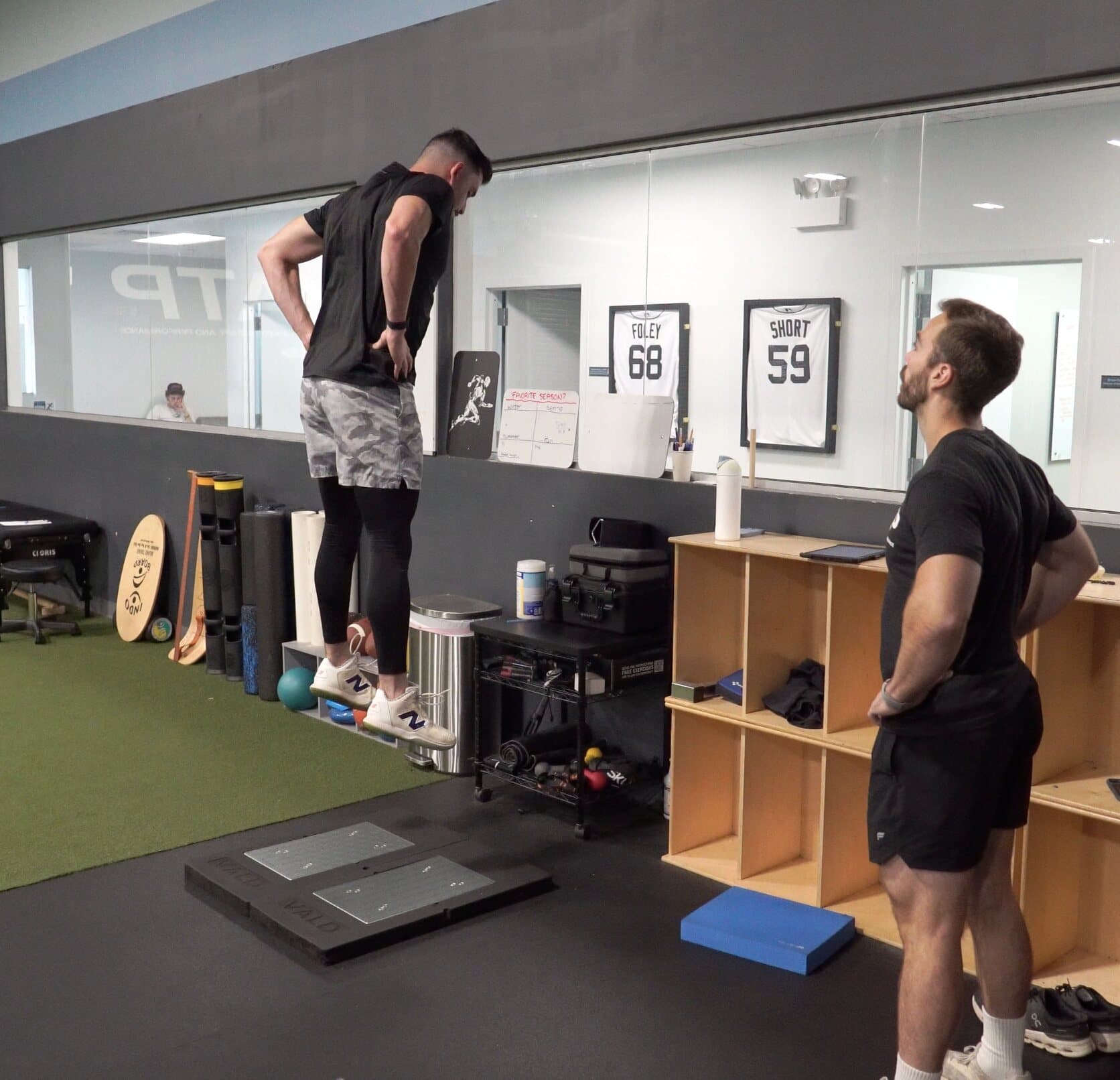
VALD force plates & dynamometryForce, asymmetry, jump and strength metrics Decides Whether strength is there, whether it is symmetrical, and whether it is being expressed as power.
How the yips are handled here.
Evaluate, decide, act, retest. Adapt feeds back into Evaluate.
Vision, balance and the throw itself are tested before anyone talks about relaxing.
A working diagnosis replaces the label. It is treated, and the throw is retested.
Sleep, stimulants and a neurotransmitter screen are part of the evaluation, because they set the margin for regulation.
The mental performance work and the physical work run as one plan, from one evaluation.

Questions people ask.
Usually a blend, and the lead domino is usually not mental. The evaluation puts a hypothesis on the table, for example a neurotransmitter deficiency and a neck that will not rotate, then treats it and retests the throw. 'I have the yips' gets replaced with something that can be fixed.
Often the short, easy one, or only in games, or only to one target. Which throw fails, and when, is one of the most useful things the evaluation learns, so notice it before you come in.
Tell us. All three change the systems that steer a throw, and all three are screened directly rather than assumed to have passed. A small neck stiffness, a cold, a new supplement or a stimulant habit can do it too.
The first consult can, and it often changes things the same day. The eye tracking, balance testing and hands-on treatment happen in Stamford, and a hybrid plan is common: one evaluation on site, the rest at a distance.
It depends on what is driving it, which is the honest answer and the reason the evaluation comes first. Some cases change in the first visit. The plan carries checkpoints so progress is measured rather than felt.
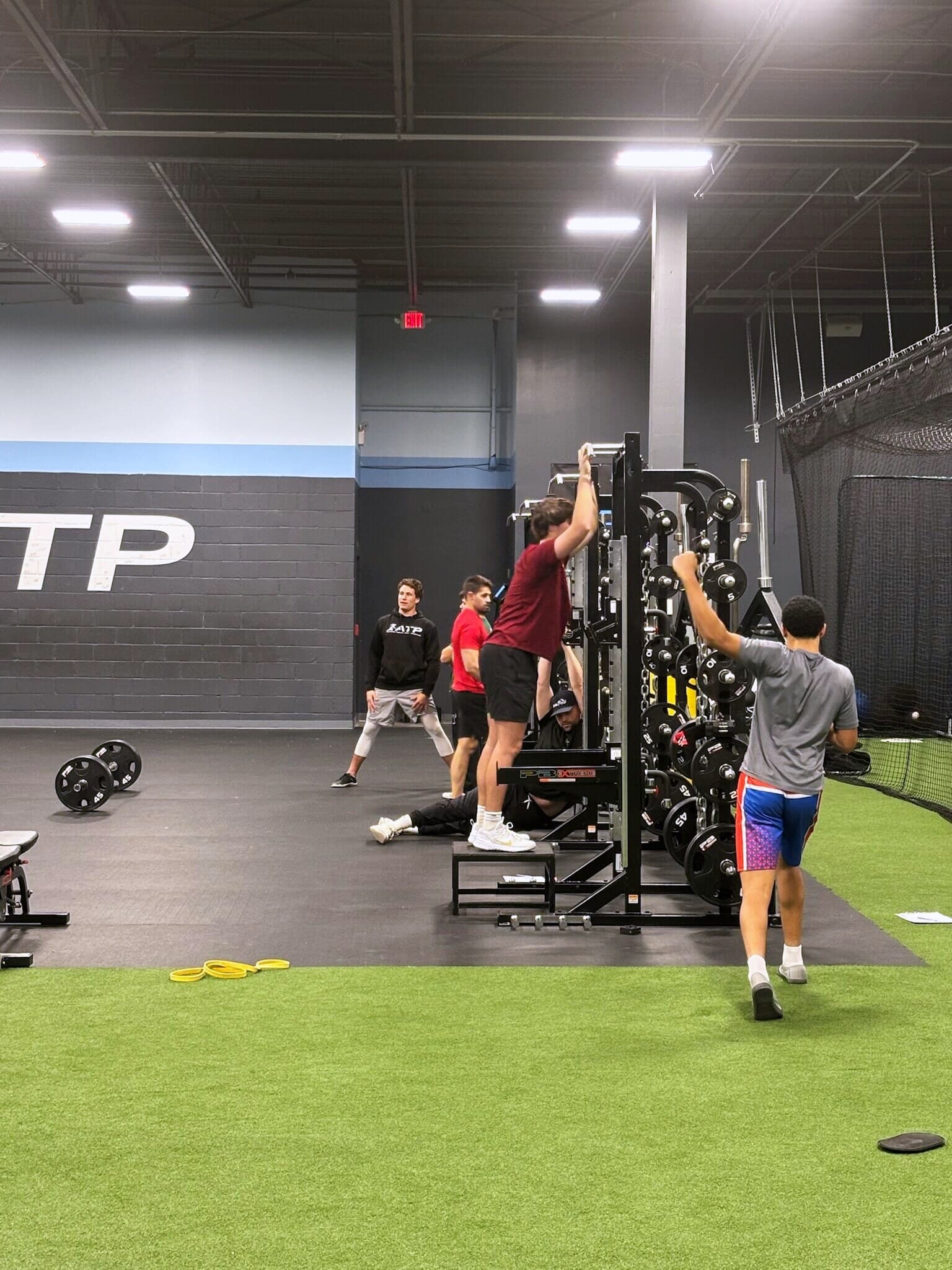
Find what's limiting you.
Three minutes of questions, then a preview of where ATP would start. Not a diagnosis.