
Working Diagnosis
Numb fingers, a cold hand, a dead arm when I throw.
Tingling fingers, a hand that goes cold, a heavy arm that dies late in outings, and clean imaging usually point to the space between the neck and the armpit and the nerves and vessels in it. Thoracic outlet syndrome is missed for years because it is examined one joint at a time, and about half of the cases ATP sees arrive after a surgery that did not work. ATP examines the neck, ribs, breathing, shoulder blade, nervous system and delivery together, and validates the diagnosis with treatment before anyone talks about a first rib.
By Josh Heenan. Reviewed by Kevin Murat, DC, ATC. Updated .
Why it gets missed
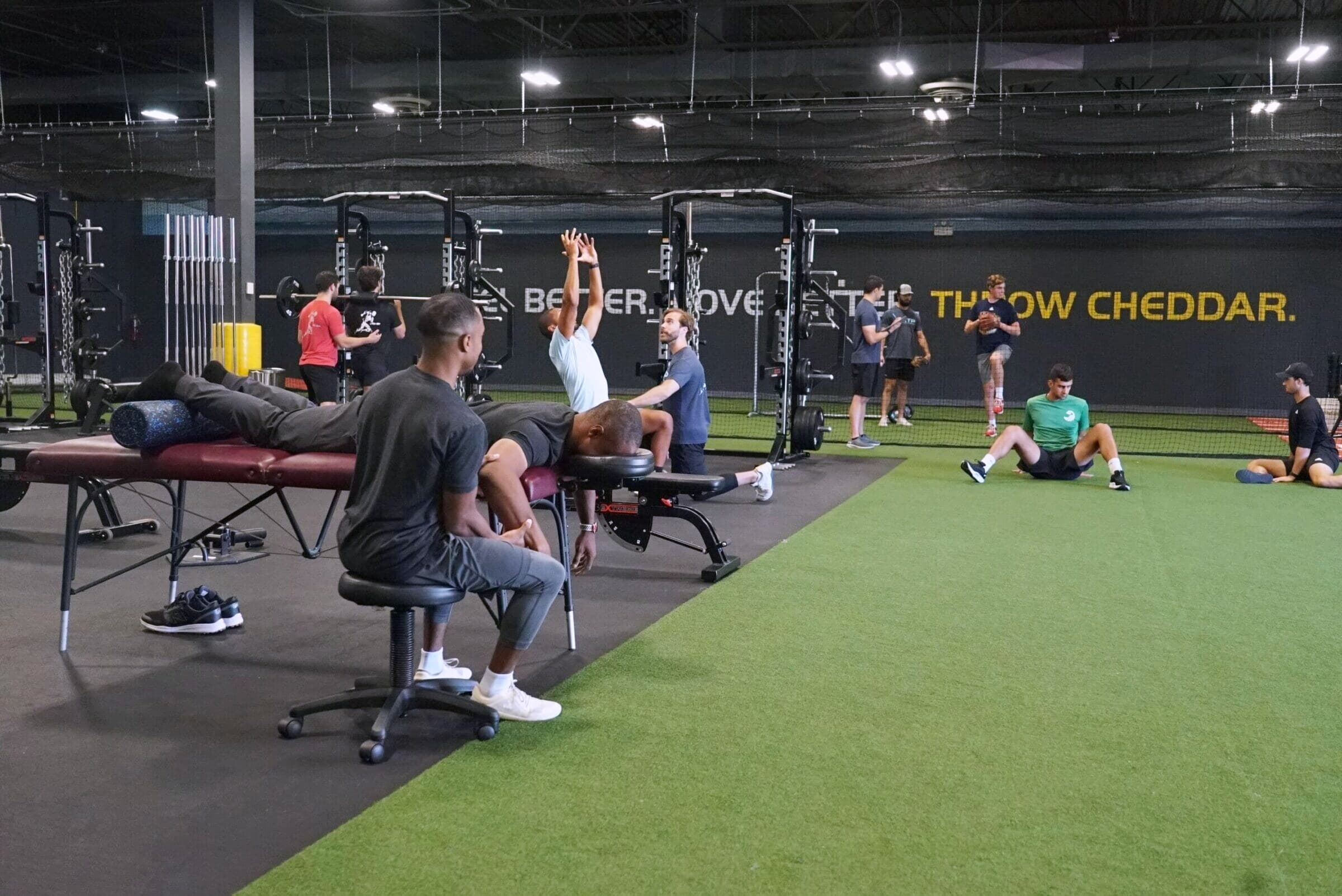
The shoulder is imaged and looks fine. The elbow is imaged and looks fine. A nerve test in the office is normal, because the symptoms only show up with the arm overhead at full intent, a hundred throws in. Each specialist examines their joint, and the space between the neck and the armpit belongs to none of them. The pitcher is told it is a dead arm, given rest, and comes back to the same symptoms.
Half the cases arrive after surgery
About half of the thoracic outlet cases ATP sees have already had a surgery that did not resolve them. Many had the wrong surgery for their symptoms. Some should never have been operated on. That is what happens when the diagnosis is made from the symptom instead of from the space, the nerves, the vessels and everything that narrows them. A pinched nerve in the neck, a referred pain pattern and a movement problem can all present exactly like thoracic outlet, and thoracic outlet can present like a torn ligament. Getting to the bottom of which one it is, and validating it with treatment that changes the symptom in the room, is the foundation of every good outcome, surgical or not.
What ATP examines together
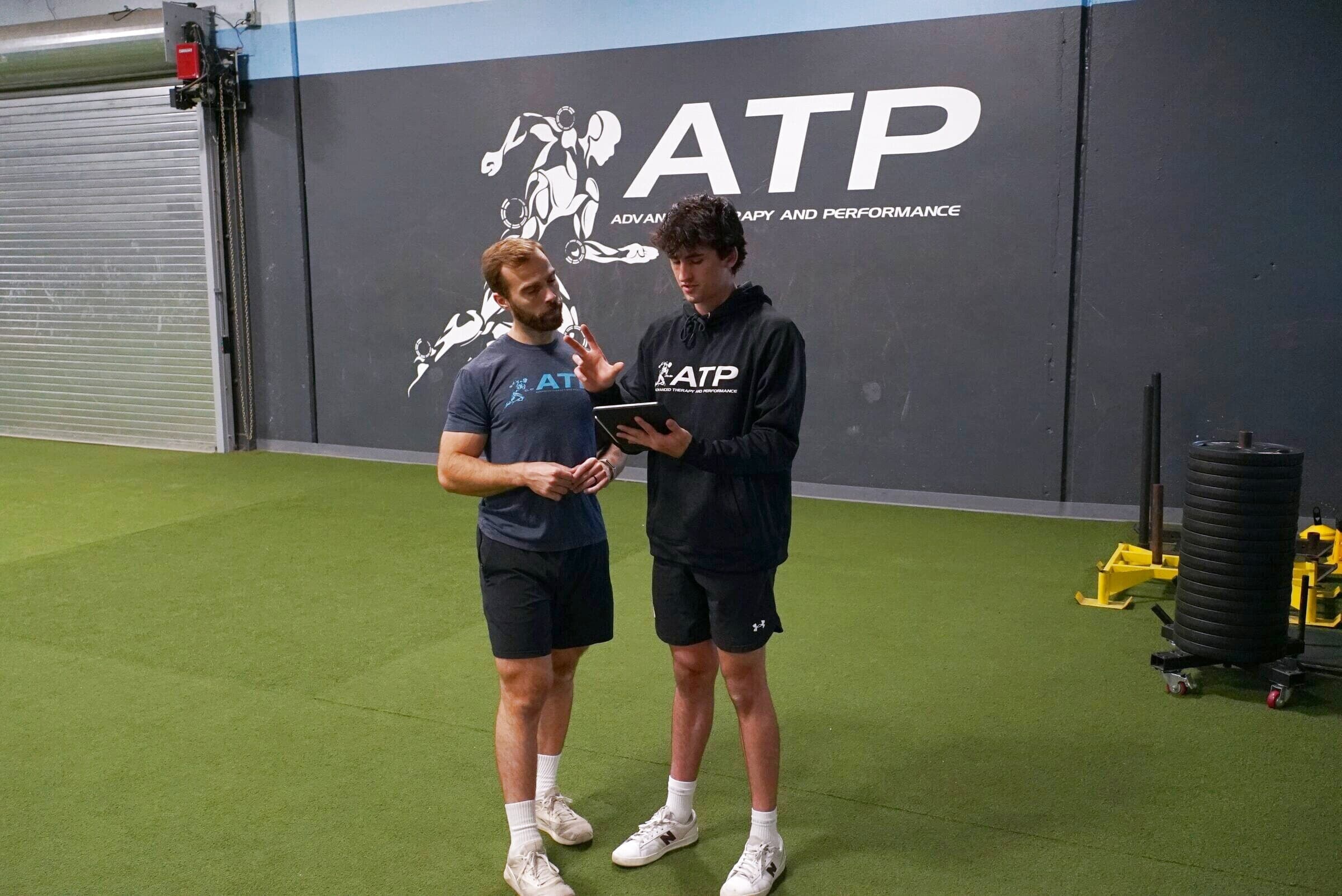
The space itself, with the arm in the positions that provoke the symptoms. The neck and the first rib, and how the person breathes when tired, because a rib that rides high with every breath narrows the space. Shoulder blade control and capacity, because a blade that cannot hold its position drags the space closed at layback. The nervous system, which becomes sensitized after months of symptoms and starts amplifying signals on its own, and which is screened directly: eye tracking, balance, neck rotation. And the delivery, at full intent, on video, where the arm position that provokes it lives.
Structure and blood flow
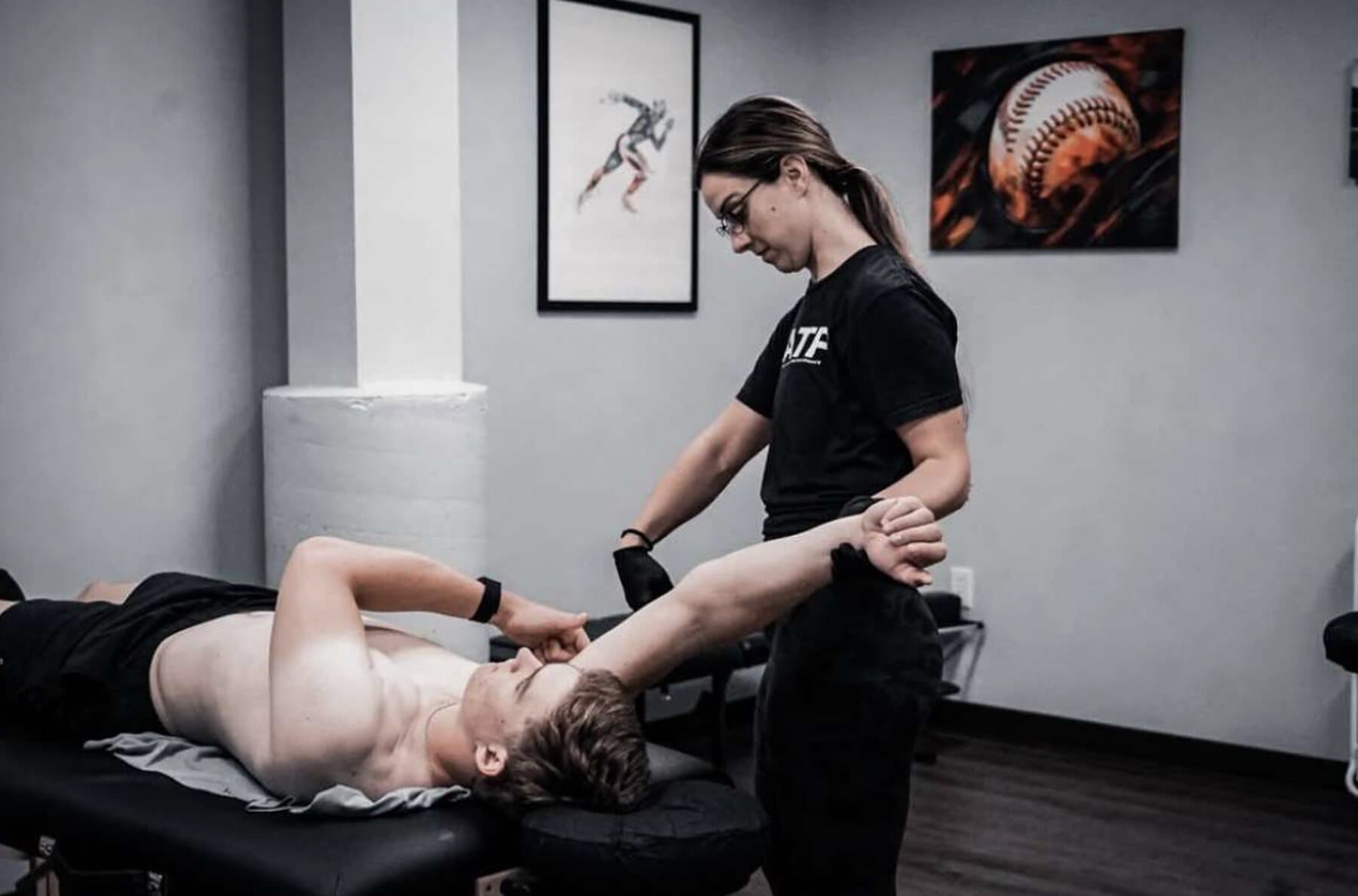
A hand that changes color, a pulse that disappears in certain positions, swelling in the arm, or a history of collarbone, rib or neck injury are reasons for vascular testing and a medical opinion, and ATP coordinates that first. Most cases involve the nerves and are treated on the floor. The ones that involve the vessels need to be found quickly.
The plan
Treatment for the tissue and the nerve, breathing and rib work, shoulder blade strength, then the delivery. After a surgery, the scar itself is treated: a surgical scar is collagen, it does not carry signal the way living skin does, and left alone it keeps driving pain and changing how the arm moves long after the incision healed. The throwing plan stays inside what the arm tolerates and progresses as the symptoms allow. The fastball that died late in outings is watched as the marker of progress, because a dead arm was never a velocity problem.
We measure what matters.
Each measurement earns its place by changing a decision about you. Nothing is run for the sake of a number.
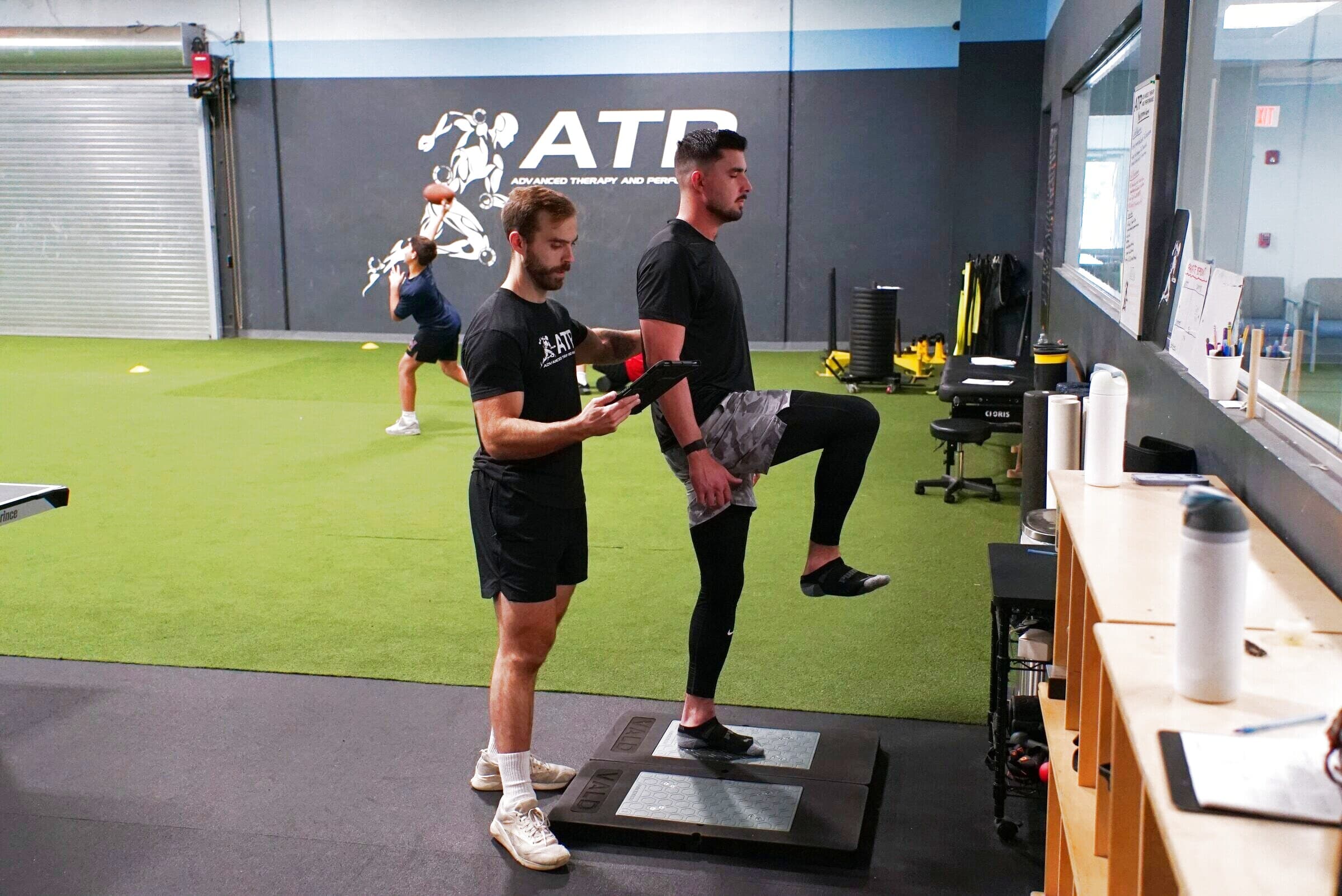
Movement assessmentMovement patterns, restrictions and compensation Decides Whether a painful region is the source or the site that keeps paying for a restriction elsewhere.
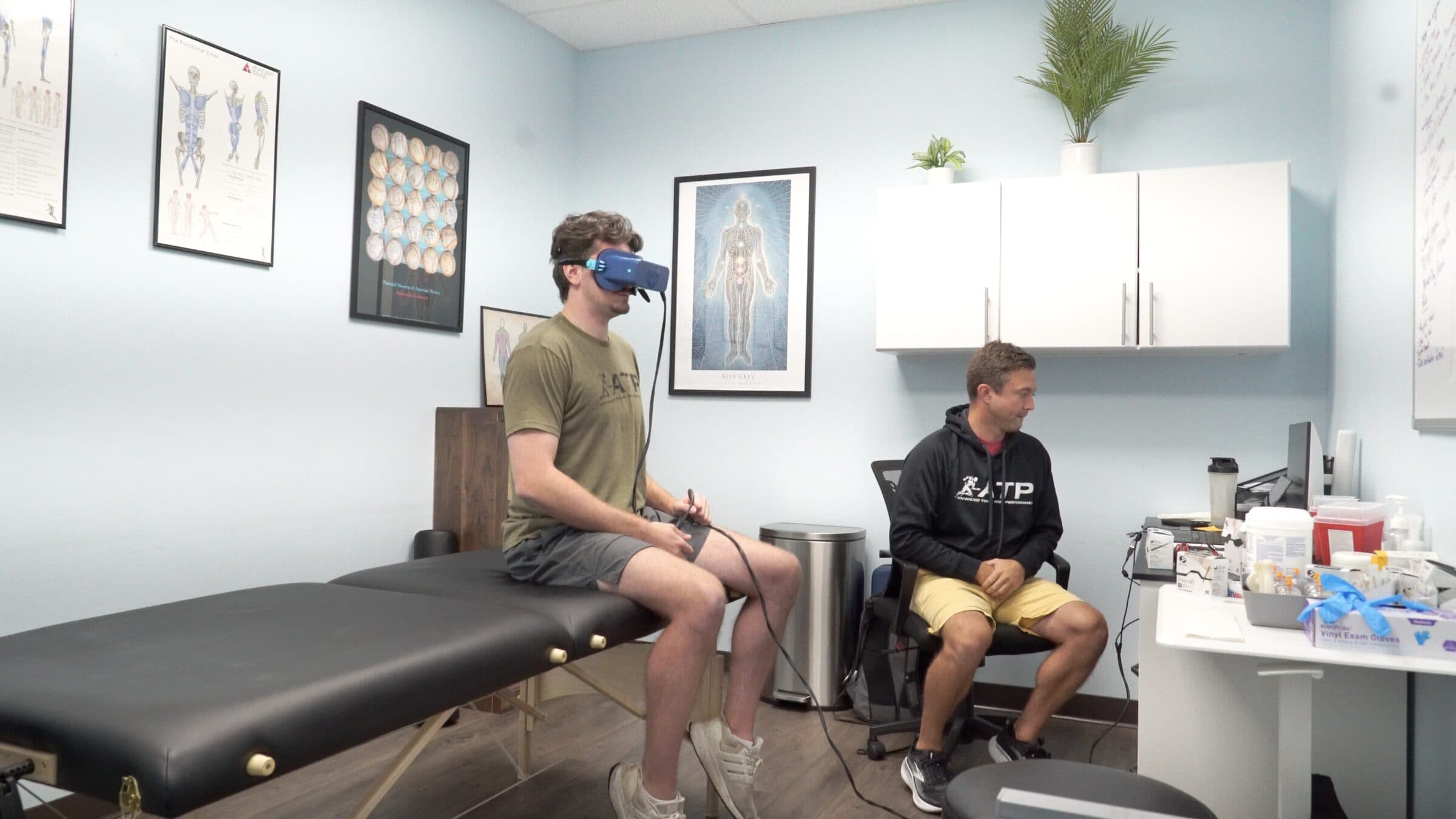
VNG / VOGEye movement, gaze stability and vestibular function Decides Whether visual or vestibular function is influencing balance, coordination, symptoms, or movement organization.
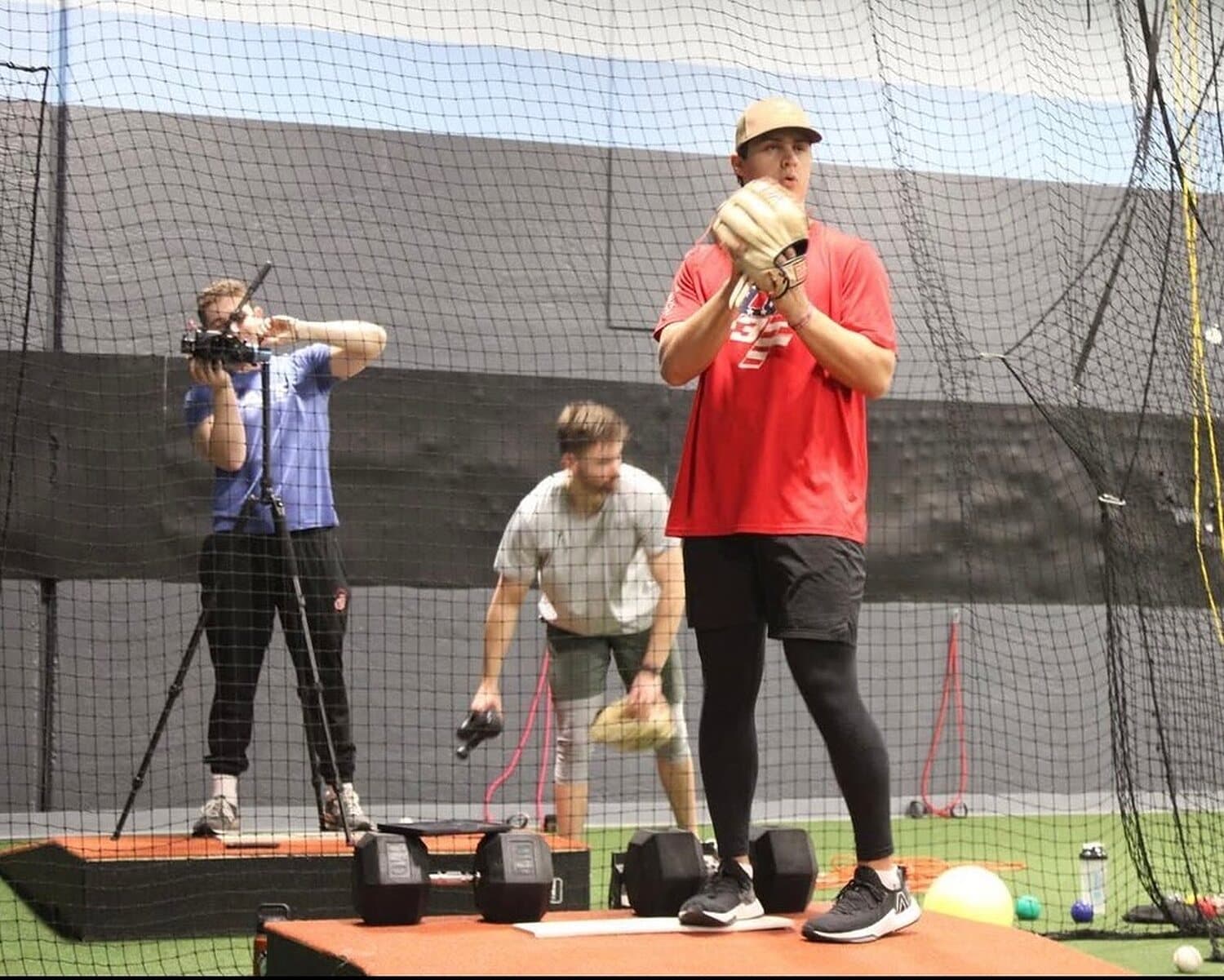
Video analysisThrowing, hitting and movement mechanics frame by frame Decides Where in the sequence force is transferred well, and where it is leaking.
How thoracic outlet is handled here.
Evaluate, decide, act, retest. Adapt feeds back into Evaluate.
The symptoms are provoked on purpose, with the arm where it fails, so the examination sees what the office test missed.
Vascular signs go to testing first. Most cases stay on the floor.
Neck, ribs, breathing, shoulder blade and the delivery are treated as one system and retested together.
Progress is measured by the throw that used to die late, at full intent.
Questions people ask.
Tell the clinician exactly. The ring and little fingers point one way, the thumb and index finger another, and coldness or color change points toward the vessels rather than the nerves. It changes what gets examined first and whether vascular testing comes before anything else.
Symptoms only overhead, only at full intent or only late in outings are typical of the space narrowing under load, and they are why an office nerve test can come back normal. Symptoms at rest move the medical evaluation earlier.
That is the usual story. Bring them. Normal imaging of the shoulder and elbow rules those out and points at the space in between, which they did not look at.
You are in company. About half of ATP's thoracic outlet cases arrive after a surgery that did not resolve them. The evaluation starts over from the symptoms and the space, including the scar, and the diagnosis is validated by treatment before anything else is proposed.
For a small number of cases, after everything else has been done properly and the vascular picture is clear. For most, the space is opened by treating the neck, ribs, breathing and shoulder blade and by changing what the delivery asks of the arm. If surgery is the right call, ATP helps you have that conversation with the surgeon with the right information in hand.
Pitchers most, then catchers and outfielders, swimmers and other overhead athletes, and adults with the same symptoms who never threw a ball.
A clinician or coach responds within one business day, then you pick a time.
Find what's limiting you.
Three minutes of questions, then a preview of where ATP would start. Not a diagnosis.